Your vehicle’s paint tells a story. Every trip to UNC Charlotte, every parking session at IKEA Charlotte, and every drive down University City Blvd Station accumulates microscopic damage that dulls your finish over time. You might notice swirl marks catching the light, a hazy appearance where there used to be mirror-like shine, or scratches that seem to multiply with each wash. Infinite Auto Works understands that your vehicle’s appearance matters, and paint correction offers a solution that goes far beyond simple cleaning or waxing. This process literally removes damaged paint to reveal the perfect finish hiding underneath. But what exactly happens during paint correction in University City, NC, and how does it transform a dull, scratched surface into a showroom worthy shine? Let’s explore the detailed science, techniques, and transformative power of professional paint restoration.
Understanding Paint Correction Fundamentals
Paint correction represents a fundamentally different approach to vehicle appearance than traditional detailing. While washing and waxing work on top of your paint, correction works within the paint itself to eliminate defects at their source.
The Definition and Purpose of Paint Correction
Paint correction is the process of mechanically removing microscopic layers of clear coat to eliminate surface imperfections. Think of it like sanding wood to remove scratches and achieve a smooth finish, except the process happens on a much finer scale with specialized equipment designed specifically for automotive paint.
The clear coat on modern vehicles typically measures between 1.5 and 2.5 mils thick. That’s roughly the thickness of a plastic grocery bag. Within this thin layer live all the defects that make your paint look less than perfect. Paint correction carefully removes just enough clear coat to level the surface below the deepest defects, creating a perfectly flat, reflective finish.
The purpose extends beyond just aesthetics. Corrected paint reflects light uniformly, creating that deep, wet look associated with high end vehicles. The process also removes oxidation and contamination that can continue damaging your paint over time. By eliminating these defects, paint correction actually protects your remaining clear coat from further deterioration.
Common Paint Defects That Require Correction
Your vehicle accumulates various types of paint damage through normal use. Each defect type has different characteristics and requires specific correction approaches.
Swirl marks are the most common complaint. These circular scratches become visible under direct light, creating a spiderweb pattern that destroys paint clarity. They typically result from improper washing techniques, automated car washes with contaminated brushes, or using the wrong materials during drying.
Oxidation occurs when UV radiation breaks down the paint’s chemical structure. The surface becomes chalky, hazy, and loses its original color vibrancy. Dark colors show oxidation as lightening or fading, while it appears as a dull, lifeless finish on lighter colors. Oxidation isn’t just cosmetic. It represents actual paint degradation that will continue worsening if not addressed.
Water spots and etching happen when mineral laden water dries on paint surfaces. The minerals etch into the clear coat, creating permanent marks that cannot be washed away. These defects are particularly common in University City where water quality and humidity create ideal conditions for water spotting.
The Science Behind Paint Restoration
Understanding how paint correction works requires knowledge of automotive paint structure and the mechanical processes that remove defects. This isn’t magic. It’s applied materials science.
How Automotive Paint Layers Work
Modern automotive paint consists of multiple layers, each serving specific purposes. The bottom layer is primer, which promotes adhesion between bare metal and subsequent paint layers. Above that sits the base coat, which provides color. Finally, clear coat protects everything below while providing gloss and depth.
The clear coat is where paint correction happens. This transparent urethane layer typically measures 1.5 to 2.5 mils thick on factory paint. Its job is protecting the color coat from UV radiation, chemical exposure, and minor physical damage. All those swirls, scratches, and defects you see exist within this clear coat layer.
Clear coat isn’t uniformly thick across a panel. Body lines, edges, and complex curves often have thinner clear coat than flat surfaces. This variation matters tremendously during correction because you must account for these thickness differences to avoid burning through to the base coat.
The molecular structure of clear coat includes UV stabilizers, hardeners, and flexibility agents. Over time, UV exposure depletes these additives, particularly near the surface. This is why oxidized paint feels rougher and looks hazier. Paint correction removes this degraded surface layer, revealing fresh clear coat with intact protective properties.
The Mechanical Process of Defect Removal
Paint correction works through controlled abrasion. A polishing machine spins a foam or wool pad against the paint surface at specific speeds, typically between 1000 and 3000 RPM. The pad holds abrasive compound that physically removes microscopic amounts of clear coat.
The abrasive particles in the compound are measured in microns. Heavy cutting compounds might use 3 to 5 micron particles, while finishing polishes use sub micron abrasives. These particles create microscopic scratches that are finer than the defects you’re removing. Multiple stages with progressively finer abrasives eventually create scratches so small they’re invisible to the naked eye, resulting in a perfectly clear, reflective finish.
Heat generation is a critical factor. Friction between the pad and paint creates heat that temporarily softens the clear coat, making it easier to level. However, too much heat can cause permanent damage. Professional technicians at Infinite Auto Works manage heat through pad pressure, machine speed, and working in small sections to prevent clear coat failure.
The leveling principle is simple geometry. Imagine a scratch as a valley in the clear coat surface. Paint correction removes material from the peaks surrounding the valley until the entire surface is level with the valley bottom. The scratch disappears not because you filled it, but because you removed enough surrounding material to eliminate the depth differential.
Types of Paint Defects Addressed Through Correction
Different defects require different correction strategies. Understanding these distinctions helps explain why paint correction is a skilled craft rather than a simple mechanical process.
Swirl Marks and Spider Webbing
Swirl marks appear as circular or semi circular scratches that become obvious under direct sunlight or bright overhead lighting. They’re particularly visible on dark colored vehicles, where they create a hazy, unclear appearance that obscures the paint’s true color and depth.
These defects result from abrasive contact with the paint surface. Every time someone washes your vehicle with a dirty mitt, dries it with a contaminated towel, or uses improper technique, they create thousands of microscopic scratches. Automated car washes are particularly notorious for causing swirl marks because their brushes accumulate abrasive dirt particles that scratch every vehicle passing through.
Correcting swirl marks involves using a cutting compound with a foam or wool pad to level the clear coat below the scratch depth. Because swirls are relatively shallow, they typically respond well to paint correction. A single stage correction often eliminates 70% to 80% of swirl marks, while multi stage correction can achieve near perfect results.
The key to swirl mark removal is working systematically across the entire panel with consistent pressure and overlapping passes. Missing sections or using inconsistent technique leaves visible differences in paint clarity. Professional correction ensures uniform results across all painted surfaces.
Oxidation and Fading
Oxidation represents chemical degradation of the clear coat from UV radiation exposure. The process breaks down the polymer chains that give clear coat its transparency and gloss. What remains is a chalky, degraded surface layer that scatters light rather than reflecting it clearly.
Vehicles parked outside near PNC Music Pavilion or University Research Park experience significant UV exposure in University City’s climate. Combined with heat and humidity, this exposure accelerates oxidation. Dark colors fade lighter, while clear coats on all colors lose gloss and develop a hazy appearance.
Paint correction removes the oxidized layer, revealing undamaged clear coat underneath. This instantly restores color vibrancy and gloss. However, heavily oxidized paint might have degradation extending deeper into the clear coat. In extreme cases, too much clear coat has oxidized to allow complete correction without risking burn through.
The process requires careful assessment before starting. Measuring remaining clear coat thickness tells you how much material you can safely remove. If oxidation has consumed too much clear coat, full restoration becomes impossible. This is why addressing oxidation early matters. Once it progresses too far, your only option is repainting.
Water Spots and Etching
Water spots occur when water containing dissolved minerals dries on paint surfaces. As the water evaporates, it leaves behind mineral deposits. In University City’s humid climate, water spots can form quickly on vehicles parked outside during or after rain.
Light water spots sit on the surface and can often be removed through washing or clay bar treatment. Etched water spots are different. The minerals have actually bonded with or damaged the clear coat, creating permanent marks that washing cannot remove. These appear as white or hazy spots that feel rough to the touch.
Correcting etched water spots requires removing clear coat down to the depth of the etching. Because water spot etching is often uneven, this can be challenging. Some areas might need heavy correction while adjacent areas need minimal work. Blending these differences without creating obvious transitions requires skill and experience.
Severe water etching can penetrate surprisingly deep into clear coat. In some cases, complete removal requires removing more clear coat than is safe, forcing a choice between partial correction or repainting. This is why protecting paint from water spotting through proper maintenance and protection is far better than correcting damage after it occurs.
Scratches and Clear Coat Damage
Scratches vary dramatically in severity. Light scratches only penetrate the top few microns of clear coat and appear as faint lines under direct light. Medium scratches go deeper and are visible under most lighting conditions. Deep scratches penetrate through clear coat to the base coat or even primer.
Auto Paint correction in University City, NC can only address scratches contained within the clear coat layer. The process removes the clear coat down to the scratch depth, eliminating the defect. Light to medium scratches within the top half of the clear coat typically respond well to correction.
Deep scratches present problems. If the scratch extends through more than 60% to 70% of the clear coat depth, removing enough material to eliminate it risks burning through to the base coat. In these cases, partial correction might make the scratch less visible without fully eliminating it.
The fingernail test provides a rough assessment of scratch depth. Run your fingernail perpendicular across the scratch. If your nail catches noticeably, the scratch is probably too deep for safe correction. If your nail glides across without catching, correction will likely succeed.
Random isolated scratches are relatively easy to correct. The challenge comes when dealing with widespread scratching across large areas. You must remove enough material to address the deepest scratches while not removing excessive clear coat from areas with only light damage. This requires working in stages with different abrasive levels and careful blending.
The Multi Stage Paint Correction Process
Professional paint correction follows a systematic approach that ensures optimal results while preserving as much clear coat as possible. Each stage serves a specific purpose in the overall restoration.
Paint Depth Measurement and Assessment
Before touching paint with abrasives, professional technicians measure clear coat thickness across all panels. A paint depth gauge uses ultrasonic or electromagnetic technology to measure the combined thickness of all paint layers over the metal substrate.
Factory paint typically measures 4 to 6 mils total thickness. Knowing this baseline helps identify panels that have been repainted, which often have different thickness. It also reveals areas with thin clear coat where aggressive correction would be risky.
Visual inspection under high intensity lighting reveals the types and severity of defects present. Technicians at Infinite Auto Works document these issues and create a correction plan that addresses the worst defects while preserving adequate clear coat thickness. This planning stage is crucial because it prevents the common mistake of removing too much material too quickly.
The assessment also identifies any areas where correction isn’t appropriate. Edges, body lines, and complex curves often have thin clear coat where even minimal correction risks burn through. These areas might receive gentler treatment or be excluded from correction entirely.
Compounding for Heavy Defect Removal
The first correction stage uses heavy cutting compounds and aggressive pads to remove the most severe defects. This stage does the heavy lifting, eliminating deep scratches, significant oxidation, and heavy etching.
Cutting compounds contain larger abrasive particles, typically 3 to 5 microns in size. These particles combined with wool or microfiber cutting pads remove the clear coat quickly. The trade off is that aggressive cutting creates its own microscopic scratches called holograms or buffer trails.
The compounding stage requires careful attention to heat generation. Excessive heat can burn a clear coat, create permanent hazing, or even cause paint delamination. Professional technicians work in small sections, keep the pad moving constantly, and periodically check surface temperature to prevent heat damage.
After compounding, the paint looks much better than before but still shows visible correction marks. The surface is level and defects are gone, but it lacks the clarity and gloss of a finished surface. This is why compounding is never the final step.
Polishing for Refinement and Gloss Enhancement
Polishing follows compounding to remove the micro scratches created during cutting. This stage uses finer abrasives, typically 1 to 2 microns, with softer foam pads. The goal is refining the surface to increase clarity and gloss.
Multiple polishing stages might be necessary depending on the aggressiveness of the compounding stage. Each polishing step uses progressively finer abrasives to reduce scratch size until they become invisible to the naked eye.
Polishing also develops gloss. As surface scratches become smaller and more uniform, the paint’s ability to reflect light cleanly improves. What started as a hazy, swirled surface transforms into a clear, reflective finish that shows true color depth.
This stage requires different techniques than compounding. Lower machine speeds, lighter pressure, and more passes create the refined finish you’re after. Rushing, polishing or skipping stages leaves visible imperfections that undermine all the previous work.
Finishing for Perfect Clarity
The final correction stage uses ultra fine polishes with abrasives measuring less than one micron. These finishing polishes remove the last traces of micro marring and maximize gloss and clarity.
Finishing polishes work differently than cutting compounds. They contain diminishing abrasives that break down into smaller particles as you work them. This creates an incredibly fine finish that approaches the clarity of factory fresh paint.
The finishing stage also removes any oils or residues left from previous correction stages. The result is a perfectly clean, clear surface ready for protection application. Many professionals consider this stage optional for daily driven vehicles, but it makes the difference between good results and exceptional results.
After finishing, the paint should show crystal clear reflections, deep color, and uniform gloss across all panels. When you look at corrected paint under bright light, you should see your reflection clearly without distortion, swirls, or hazing.
Tools and Materials Used in Paint Correction
Professional paint correction requires specific equipment and products. Understanding these tools helps explain why professional correction achieves results impossible with consumer products.
Polishing Machines and Pad Selection
Paint correction uses rotary or dual action polishing machines. Rotary polishers spin in a single circular motion, generating more heat and cutting power. They’re preferred for heavy correction but require more skill to use safely. Dual action polishers combine rotation with oscillation, making them safer for beginners while still providing good correction capability.
Machine selection depends on the correction needed and technician experience. Rotary machines correct severe defects faster but risk paint damage in inexperienced hands. Dual action machines are more forgiving but require more time for heavy correction.
Pad selection matters as much as machine choice. Wool pads cut most aggressively and generate the most heat. Microfiber pads provide heavy cutting with less heat. Foam pads range from firm cutting pads to soft finishing pads. Each combination of machine, pad, and compound creates different results.
Professional technicians maintain collections of different pads for different situations. A single correction job might use five or more different pad types as you move through cutting, polishing, and finishing stages.
Compounds and Polishes Explained
Abrasive products are classified by their cutting power and abrasive particle size. Heavy cutting compounds remove material quickly but leave visible scratches. Finishing polishes remove minimal material but create exceptional clarity.
Quality compounds contain precisely graded abrasives suspended in lubricating oils. The oils reduce friction and heat while the abrasives do the cutting. As the compound works, the abrasives break down into smaller particles, progressively refining the finish.
Some modern compounds are designed as one step products, meaning they cut and finish in a single application. While convenient, these rarely match the results achieved through proper multi stage correction. They represent a compromise between speed and quality.
Professional correction typically uses three to five different products progressing from aggressive cutting compounds through medium polishes to ultra fine finishing polishes. Each product is matched to specific pad types and machine settings to achieve optimal results.
How University City’s Climate Affects Paint Condition
Local environmental conditions significantly influence how quickly paint degrades and what types of defects develop. Understanding these factors explains why vehicles in University City need regular attention.
Humidity and Temperature Impact
University City experiences a humid subtropical climate with hot summers and mild winters. This combination creates conditions that accelerate certain types of paint damage while protecting against others.
High humidity means water sits on paint surfaces longer after rain or morning dew. This extended contact time increases water spotting risk, particularly if the water contains high mineral content. Vehicles parked outside near Topgolf or UNC Charlotte Main Station are especially vulnerable.
Summer heat accelerates oxidation and chemical degradation. Paint surfaces can exceed 160 degrees Fahrenheit on sunny days, creating conditions where UV damage happens faster. The combination of heat and UV radiation breaks down clear coat protective additives more quickly than in cooler climates.
Humidity also affects contamination bonding. Tree sap, pollen, and industrial fallout become more aggressive at higher temperatures and humidity levels. These contaminants etch into clear coat faster, creating permanent damage if not removed promptly.
Seasonal Weather Considerations
Spring brings high pollen counts that cover vehicles in yellow or green dust. While pollen itself isn’t particularly abrasive, the way people remove it often causes swirl marks. Aggressive wiping with dry towels or contaminated wash mitts creates thousands of light scratches.
Summer UV intensity peaks, making this the season of greatest oxidation risk. Vehicles without adequate paint protection can show visible fading and gloss loss after just one summer of outdoor parking. Regular correction might be needed annually for vehicles experiencing heavy UV exposure.
Fall introduces different challenges. Falling leaves, tree sap, and increased rainfall create conditions for both contamination bonding and water spotting. Vehicles parked under trees accumulate organic material that etches paint if not removed quickly.
Winter in University City, NC is mild compared to northern regions but still presents paint challenges. Temperature fluctuations cause expansion and contraction cycles that stress already damaged clear coat. While road salt isn’t the issue it is further north, road grime and winter weather still take their toll.
Results and Longevity of Paint Correction
Understanding what paint correction achieves and how long results last helps set realistic expectations and plan ongoing maintenance.
Visual Transformation and Gloss Improvement
The difference between corrected and uncorrected paint is dramatic. Swirl marks that made paint look hazy disappear completely. Reflections become clear and distortion free. Colors appear deeper and more vibrant because light is reflecting cleanly rather than scattering through surface scratches.
Gloss meters measure the objective improvement. Uncorrected paint might measure 60 to 70 gloss units. After correction, readings often exceed 90 to 95 gloss units, approaching the theoretical maximum. This numerical improvement translates to visible difference that anyone can see.
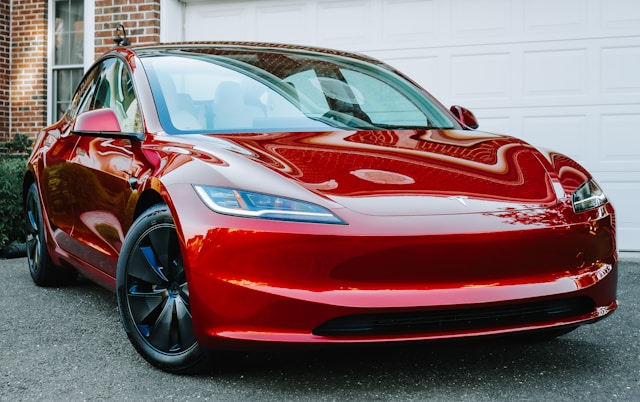
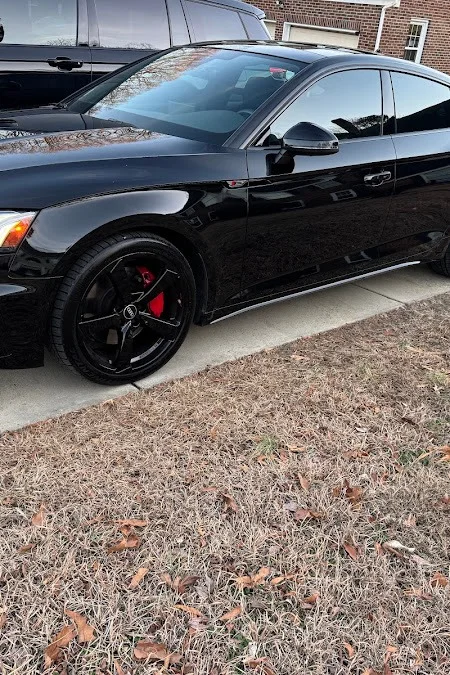
The transformation is particularly obvious on dark colors like black, dark blue, or dark red. These colors show defects most readily and benefit most dramatically from correction. However, all colors show improvement. Even white or silver vehicles gain clarity and depth that makes them look newer and better maintained.
Beyond gloss, corrected paint shows improved color accuracy. Oxidation and defects scatter light, creating a hazy film that dulls color perception. Removing this damaged layer reveals the true color underneath. It’s like cleaning a dirty window and suddenly seeing clearly.
Maintaining Corrected Paint Surfaces
Paint correction doesn’t last forever. The moment you drive your corrected vehicle, new damage begins accumulating. However, proper maintenance dramatically extends the results of professional correction.
Protecting corrected paint with ceramic coating or paint protection film prevents new defects from forming. These protection systems take the abuse that would otherwise damage your clear coat. When properly maintained, protection allows corrected paint to stay pristine for years rather than months.
Washing technique matters tremendously. The two bucket method, quality wash mitts, proper drying towels, and gentle technique prevent the swirl marks that necessitated correction in the first place. Automatic car washes should be avoided entirely if you want to maintain corrected paint.
Regular maintenance washing removes contamination before it bonds to or etches the clear coat. Weekly washing might seem excessive, but it prevents the buildup that creates permanent damage. Think of it as preventive maintenance rather than cosmetic upkeep.
Infinite Auto Works recommends annual inspection and potential light correction to address any new defects before they accumulate. This maintenance approach keeps paint looking excellent indefinitely rather than allowing defects to build up until major correction becomes necessary again.
Conclusion
Paint correction in University City, NC represents the intersection of art and science, combining precise mechanical processes with skilled technique to restore automotive finishes to better than new condition. Through systematic removal of damaged clear coat layers, correction eliminates swirl marks, oxidation, water etching, and scratches that accumulate through years of exposure to University City’s humid climate and daily driving conditions. The multi stage process progresses from heavy cutting to remove severe defects through polishing stages that refine the surface to final finishing that creates perfect clarity and maximum gloss. Understanding paint structure, defect types, and correction methodology reveals why professional correction achieves results impossible through consumer products or automated processes. Whether your vehicle sits in the parking lot at IKEA Charlotte accumulating swirl marks or spends weekends parked outside near the University City Blvd Station developing water spots, paint correction can restore the deep, clear, reflective finish that makes your vehicle look showroom fresh. Working with experienced professionals at Infinite Auto Works ensures the process is done correctly, preserving adequate clear coat thickness while achieving transformative results that last for years with proper maintenance and protection.
Ceramic coating in University City, NC is a protective liquid layer that bonds to your paint, adding gloss while resisting UV damage, dirt, and contaminants.
FAQs
How is paint correction different from regular polishing or buffing?
Paint correction is a precise, systematic process that removes specific amounts of clear coat to eliminate defects, while regular polishing or buffing typically applies products on top of paint to temporarily enhance gloss. Traditional buffing often uses only finishing polishes that hide defects rather than removing them. True correction involves multiple stages with progressively finer abrasives, paint depth measurement, and careful technique to level the clear coat below defect depth. The results are permanent until new damage occurs, unlike polishing which provides temporary cosmetic improvement.
Can paint correction fix all types of scratches on my vehicle?
Paint correction can only fix scratches contained entirely within the clear coat layer. Light to medium scratches that haven’t penetrated through the clear coat respond well to correction. Deep scratches reaching the base coat, primer, or bare metal cannot be fixed through correction because there isn’t enough clear coat depth to safely remove material down to the scratch level. These deep scratches require touch up paint or professional repainting. A simple fingernail test helps determine correctability: if your fingernail catches significantly in the scratch, it’s likely too deep for correction alone.
How much clear coat is removed during paint correction?
The amount varies based on defect severity, but typically ranges from 0.5 to 1.5 mils of clear coat. Factory clear coat usually measures 1.5 to 2.5 mils thick, so correction removes 20% to 60% of available clear coat. Heavy correction for severe defects removes more material, while light correction for minor swirls removes less. Professional technicians measure remaining thickness before and during correction to ensure adequate clear coat remains for protection. This is why paint can typically only be corrected two to three times over its lifetime before clear coat becomes too thin for safe correction.
Will my paint look the same as when it was brand new after correction?
Professional paint correction can often achieve better appearance than factory fresh paint. Factory paint application in high volume production environments sometimes includes minor imperfections like orange peel texture, dust inclusions, or inconsistent clear coat application. Skilled correction removes these factory defects along with damage accumulated during ownership. However, correction cannot fix problems in the base coat layer, such as color inconsistency or base coat scratches. The final result depends on the condition of underlying paint layers and how well the correction is executed.
How long will paint correction results last before needing to be done again?
Duration depends entirely on how the vehicle is maintained and protected after correction. Without protection, corrected paint begins accumulating new defects immediately and might need correction again within 6 to 12 months of regular use. Applying ceramic coating or paint protection film after correction, combined with proper washing techniques, can extend results for 3 to 5 years or longer. Vehicles garage kept and hand washed using proper methods maintain correction results longer than those parked outside and run through automatic car washes. Annual light correction maintenance can keep paint looking excellent indefinitely rather than waiting for severe defects to accumulate.