Harrisburg, NC, sits in the Charlotte metro’s eastern corridor where Cabarrus County meets Mecklenburg County along the US-29 and NC-49 corridors. These local conditions make window tinting in Harrisburg, NC more than just a cosmetic upgrade. Vehicles here face sustained UV exposure from April through October, summer humidity that regularly exceeds 70%, afternoon thunderstorms that cause rapid temperature swings, and occasional winter freezes that create expansion and contraction stress on automotive glass. Quality window tint helps reduce heat buildup, block harmful UV rays, and improve year-round comfort and protection for drivers throughout the Harrisburg area.
Not every window film handles this combination equally. The gap between a film that still looks and performs well at year seven and one that has bubbled, faded, or turned purple by year three is not primarily a question of brand recognition. It is a question of material chemistry, adhesive formulation, and installation technique. This guide covers what Harrisburg’s specific climate does to each film type, which options hold up best under local conditions, and what North Carolina’s tint law requirements mean for any vehicle registered in this area.
What Harrisburg’s Climate Actually Does to Window Film
Summer Heat and UV Intensity
Average summer temperatures in Harrisburg regularly reach the low to mid-90s Fahrenheit during July and August, with heat index values pushing considerably higher during peak humidity periods. Vehicle glass in direct sun during these conditions reaches interior surface temperatures well above ambient air temperature, creating a thermal environment that stresses both the film material and the adhesive system bonding it to the glass.
UV radiation is the primary degradation mechanism for dyed window films. The organic dye molecules used in basic films absorb UV radiation and undergo photochemical breakdown that produces the characteristic purple or brown colour shift visible on failed films across the Charlotte metro area. Harrisburg’s UV season runs from March through October, with UV index values reaching very high to extreme during peak summer days, creating approximately seven months of meaningful UV degradation exposure per year.
Humidity and Adhesive Performance
The Charlotte metro area maintains average relative humidity above 60 % for most of the year, frequently exceeding 70 to 80 % during summer afternoons and overnight periods. This sustained moisture creates a specific challenge for the adhesive bonding the film to the glass surface.
Moisture infiltration at the film edge is the most common humidity-related failure mode in this region. Water vapour working between film and glass at an edge gap initiates progressive delamination that expands inward over subsequent thermal cycles. Films installed with inadequate edge sealing or moisture-susceptible adhesive formulations fail from the edges inward, producing the characteristic lifting and bubbling pattern that drivers recognise on older or budget-installed tint.
Thermal Cycling Between Seasons
Harrisburg experiences full four-season temperature cycling, from summer peaks above 95 degrees Fahrenheit to winter lows occasionally dropping below 20 degrees. This range creates annual thermal cycling that imposes expansion and contraction stress on both the glass and the film. Glass and film materials expand and contract at different rates, placing stress at the adhesive interface during every significant temperature change. Films with inadequate material flexibility develop edge lifting and eventual adhesive failure from this repeated cycling through North Carolina’s full seasonal range.
Window Tint Film Types Ranked for Harrisburg Conditions
The four primary film categories available in the Harrisburg and Concord market differ significantly in their ability to handle these specific climate stressors.
- Ceramic film: 10 to 15 years of realistic lifespan. Nano-ceramic particles provide inherent UV stability and thermal resistance. No dyes to fade, no metals to interfere with electronics. The strongest performer in Harrisburg’s climate across every durability measure.
- Carbon film: 5 to 8 years of realistic lifespan. Carbon particles provide UV stability superior to dyed films without electronic interference concerns. Holds colour and heat rejection through Harrisburg’s summer UV season without the photochemical degradation that destroys dyed films.
- Metallized film: 7 to 10 years realistic lifespan with caveats. Genuinely durable, but metal content interferes with cellular signals, GPS navigation, wireless phone charging, and Bluetooth in modern vehicles. Requires an electronic compatibility check before selection.
- Dyed film: 2 to 4 years realistic lifespan. Organic dye molecules degrade under Harrisburg’s UV season faster than any other film type. Colour shift toward purple typically begins within 18 to 24 months. Not the appropriate choice for any driver prioritising longevity in North Carolina conditions.
Ceramic Film: The Strongest Option for Harrisburg
Ceramic film uses nano-ceramic particle technology rather than dyes or metals to achieve heat rejection and UV blocking. The ceramic particles reflect and absorb infrared radiation and UV without relying on chemistry that degrades under sustained exposure. This material stability means ceramic films maintain consistent performance and optical clarity through the full lifespan rather than gradually losing effectiveness as dyed films do.
The absence of metal content makes ceramic film compatible with all modern vehicle electronics, navigation systems, and wireless charging pads. Geoshield ceramic window film, installed at Infinite Auto Works for Harrisburg and Charlotte-area vehicles, provides heat rejection and UV blocking without the signal interference concerns that metallized products create in connected vehicles. For any Tesla, BMW, Rivian, or Porsche owner in the Harrisburg area, where vehicle connectivity is central to the ownership experience, ceramic film is the appropriate choice.
Carbon Film: Balanced Performance at Mid-Range Cost
Carbon particles provide natural UV stability because carbon does not undergo the photochemical breakdown that organic dyes experience. Carbon films maintain their dark appearance and heat rejection properties through Harrisburg’s seven-month UV season without the colour shift that makes dyed films visually obvious once they begin failing.
Heat rejection in carbon films works through absorption rather than the reflectivity mechanism of metallized films, which means carbon film does not create the exterior reflective appearance that North Carolina law enforcement and some homeowners’ associations scrutinise. Carbon film is appropriate for Harrisburg, NC drivers who want genuine durability at a moderate price without the electronic compatibility concerns of metallized products.
Metallized Film: Durable but Requiring an Honest Caveat
The structural integrity of metallized film is genuinely strong. Metal particle layers add physical strength to the film construction, making it more resistant to scratching and tearing than either dyed or carbon alternatives. The heat rejection mechanism relies on reflecting solar radiation rather than absorbing it, which reduces thermal stress on the film material and contributes to its durability in Harrisburg’s climate.
The electronic interference concern is not minor. Vehicles with GPS navigation, cellular hotspot functionality, Bluetooth audio, wireless phone charging, and modern passive entry keyless systems have all demonstrated degraded performance with metallized film on side and rear windows. For any vehicle purchased in the past five years, confirming electronic compatibility with the installer before selecting metallized film is a required pre-installation step rather than an optional consideration.
Dyed Film: The Weakest Option for Carolina Conditions
Dyed film has a narrow, appropriate use case. It is a lower-cost option for vehicles with short planned ownership periods where the film does not need to perform beyond two to three years. For any vehicle being kept for three or more years, dyed film produces the premature failure experience that drives the most negative reviews in the window tinting category across the Charlotte metro area. The lower upfront cost does not offset the early replacement cycle that Harrisburg’s UV season reliably produces with dyed film materials.
How Film Construction Determines Long-Term Durability
UV Stability by Film Type
The hierarchy of UV stability directly explains the lifespan differences between film types in Harrisburg’s climate. Dyed films rely on organic molecules that absorb UV radiation and break down from that absorption. Carbon films use stable carbon particles that do not undergo photochemical reactions under realistic automotive UV exposure. Ceramic films use inorganic ceramic particles with essentially unlimited UV stability under the conditions any vehicle experiences in North Carolina.
This stability hierarchy is the primary reason ceramic films carry 10-year to lifetime manufacturer warranties while dyed films typically offer 2 to 3 years of coverage. The warranty terms directly reflect the manufacturer’s confidence in how long the material chemistry holds up under real-world conditions in climates like Harrisburg’s.
Adhesive Quality in Humid Climates
The pressure-sensitive adhesive bonding the film to the glass represents a component that rarely appears in marketing materials but consistently separates installations that last from those that fail early. Premium adhesive formulations create molecular-level bonds with glass that humidity cannot compromise. These adhesives maintain bond strength across Harrisburg’s full temperature range, from below-freezing winter nights to the interior glass temperatures above 150 degrees Fahrenheit that summer sun creates in parked vehicles.
Budget adhesive systems create mechanical bonds that humidity degrades progressively from the film edges inward. The bubbling and lifting on failed tint installations across the Charlotte metro area almost always begins at edge seams where the adhesive system is most exposed to moisture infiltration.
Why North Carolina Tint Laws Matter Before Booking
Harrisburg Vehicle Tint Requirements
North Carolina requires front side windows to allow more than 35 % of visible light through on all passenger vehicles. Rear side windows and rear windows on sedans follow the same requirement. Reflective tint creating a mirrored appearance is prohibited on front windows.
These requirements apply to the combined VLT of the factory glass and any aftermarket film together. Factory glass on modern vehicles typically already filters 8 to 15 % of visible light before any aftermarket tint is applied. A film rated at that same legal threshold applied to factory glass that already filters 10 % produces a combined measurement of approximately 25 %, which falls well below what North Carolina law permits. This is why any qualified installer in Harrisburg and Concord measures factory glass VLT before selecting film, ensuring the combined result clears the legal minimum rather than assuming the film’s rated specification alone determines compliance.
What Happens at a North Carolina Inspection Station
North Carolina’s annual vehicle inspection includes a window tint compliance check. Non-compliant tint produces an inspection failure requiring tint removal, bare glass re-inspection, and new compliant installation before the vehicle passes. The combined cost of removal, re-inspection, and reinstallation consistently runs $400 to $600, making upfront legal compliance the significantly less expensive path. Written documentation of the confirmed combined VLT measurement at delivery protects the driver from any roadside check or inspection station query.
What Professional Installation Does That DIY Cannot
Surface preparation before installation determines how well the adhesive bonds to the glass. Contaminants on the glass surface at installation, including road film, residual adhesive from previous tint, and airborne particles that settle during application, compromise the adhesive bond and become permanently embedded beneath the film once it cures. Professional surface preparation using appropriate glass cleaners and decontamination products eliminates these bond-compromising elements before the film is applied.
Airborne particles in an open installation environment settle on the wet adhesive surface during application before the film bonds to the glass. A climate-controlled, enclosed installation bay significantly reduces contamination risk compared to open garage or outdoor installations. The humidity control in a proper installation bay also ensures the adhesive activates and cures correctly rather than being influenced by the ambient humidity extremes that Harrisburg’s summer and winter conditions create outdoors.
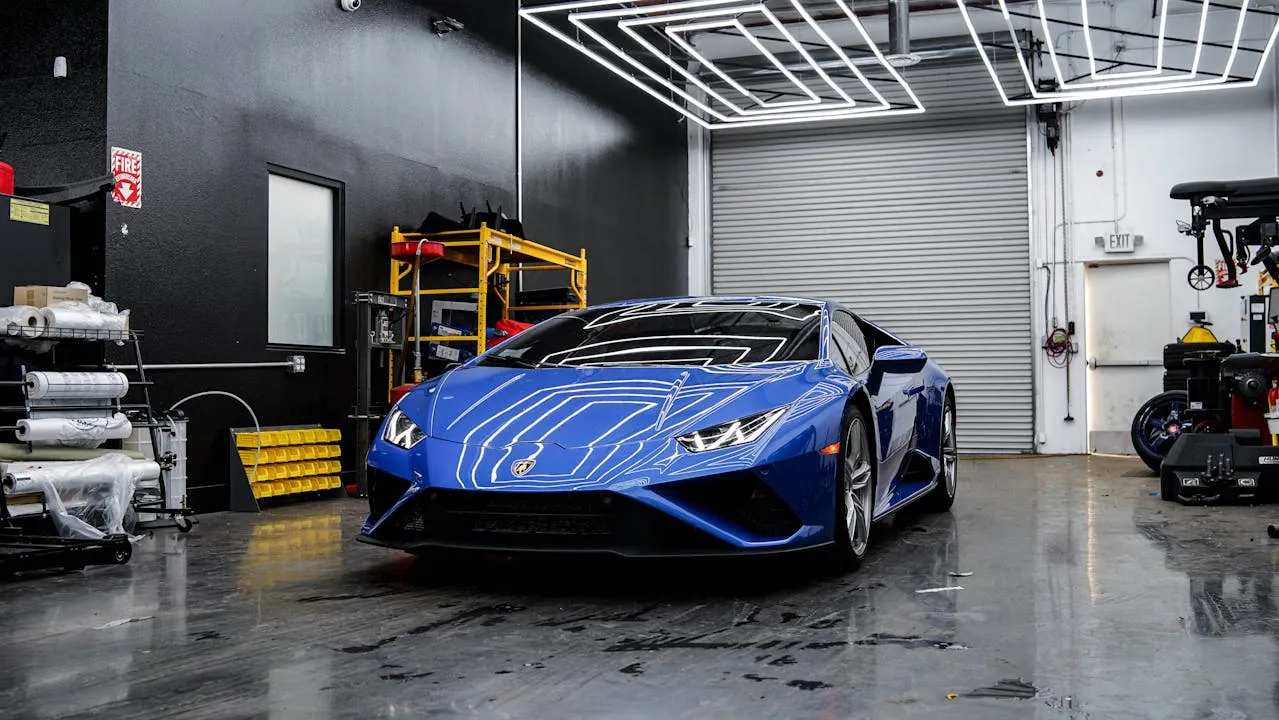
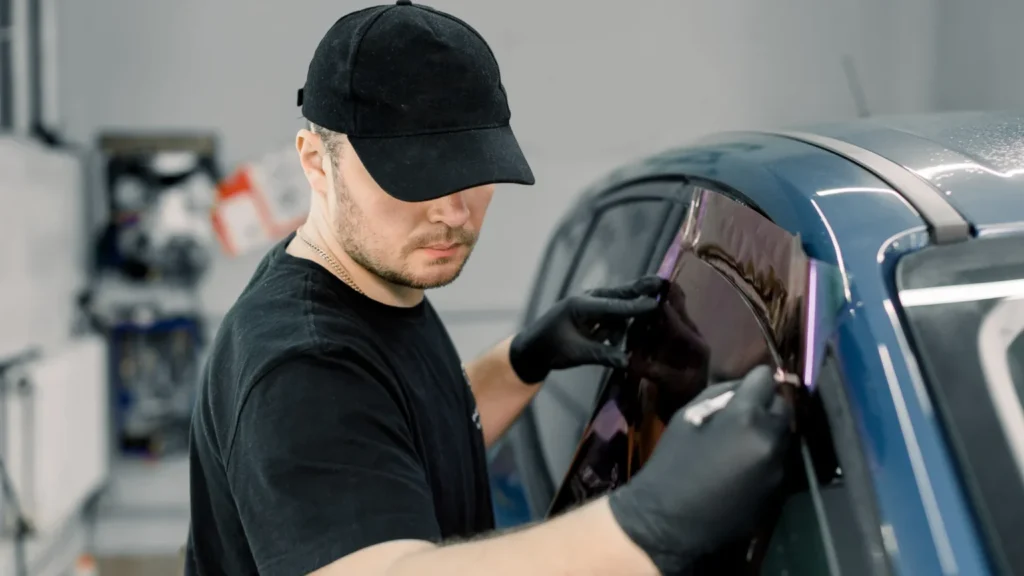
Infinite Auto Works installs window film in a controlled environment at our window tinting shop in Concord, NC, serving Harrisburg and the surrounding Charlotte-area market.Every installation includes factory glass VLT measurement before film selection, written documentation of the confirmed combined VLT at delivery, and manufacturer warranty registration for the specific film product installed.
Signs Your Window Tint Is Failing
Recognising early failure signs allows for timely intervention before the problem creates inspection compliance issues.
- Colour shift to purple or brown. The most visible indicator of dyed film UV degradation. Once this shift begins, it accelerates rather than stabilising.
- Edge lifting. Film separating from the glass at the corner edges indicates adhesive failure beginning from the highest-exposure boundary.
- Bubbling between film and glass. Permanent bubbles that do not flatten in cool weather indicate adhesive failure.
- Haziness or reduced optical clarity. A film that has clouded indicates material degradation within the film layers.
Any of the first two signs on a vehicle still within the manufacturer’s warranty period warrants a warranty claim conversation with the installing shop before the failure progresses further.
Conclusion
Window tinting durability in Harrisburg, NC is determined by three variables that apply to every installation in this climate: the film material’s inherent UV stability, the adhesive system’s resistance to humidity and thermal cycling, and the quality of the installation environment and technique. Ceramic film addresses all three variables most effectively and represents the strongest long-term value for any Harrisburg driver planning to keep their vehicle for five or more years. Carbon film provides a genuine middle-ground option. Metallized film is durable but requires an honest electronic compatibility assessment before selection. Dyed film is not appropriate for any driver in North Carolina whose primary concern is longevity.
North Carolina’s 35 % combined VLT requirement and annual inspection tint check make installer competence in pre-installation factory glass measurement as important as film selection for avoiding the costly inspection failure and reinstallation cycle that substandard installations reliably produce in this market.
Frequently Asked Questions
Which window tinting film lasts longest in Harrisburg, NC weather?
Ceramic film provides the longest realistic lifespan in Harrisburg’s climate, typically 10 to 15 years for quality installer-grade products. The ceramic particle composition resists UV degradation and maintains bond integrity through Harrisburg’s seasonal thermal cycling without the colour shift that ends the functional life of dyed films. Carbon film is the appropriate mid-range alternative at 5 to 8 years, while dyed film realistically lasts 2 to 4 years before visible degradation becomes apparent in North Carolina’s UV season.
Does North Carolina’s tint law apply to Harrisburg vehicles?
Yes. North Carolina requires front side windows on all passenger vehicles to allow more than 35 % of visible light through as a combined measurement of factory glass and aftermarket film. The combined measurement matters because factory glass already filters some light before any film is applied. Any Harrisburg installer who does not measure factory glass VLT before recommending a film specification risks installing a non-compliant result that fails the annual North Carolina vehicle inspection.
Will metallized window tint affect my car’s electronics in Harrisburg?
Yes, potentially. Metal particle content in metallized film can interfere with cellular signals, GPS navigation, wireless phone charging, Bluetooth connectivity, and passive entry systems in modern vehicles. For any vehicle with built-in navigation, connected vehicle features, or toll transponders, ceramic or carbon film is the appropriate alternative that delivers comparable heat rejection without electronic compatibility concerns.
Why does window tint bubble and peel in the Charlotte metro area?
Bubbling and peeling almost always result from one of three causes: inadequate surface preparation that left contaminants between glass and adhesive, budget adhesive formulations that humidity infiltrates at the film edges over time, or dyed film material that UV radiation has degraded to the point where the adhesive bond weakens. Professional installation with quality adhesive in a controlled environment, combined with ceramic or carbon film, eliminates all three failure mechanisms.
How do I know if my current window tint is still legally compliant in North Carolina?
Any qualified window tinting shop in the Harrisburg or Concord area can measure the combined VLT of existing tinted windows with a calibrated photometer to confirm whether the installation meets North Carolina’s front window minimum. Knowing the combined measurement before an annual inspection is significantly less expensive than discovering non-compliance at the inspection station, which triggers removal, re-inspection, and reinstallation costs.