


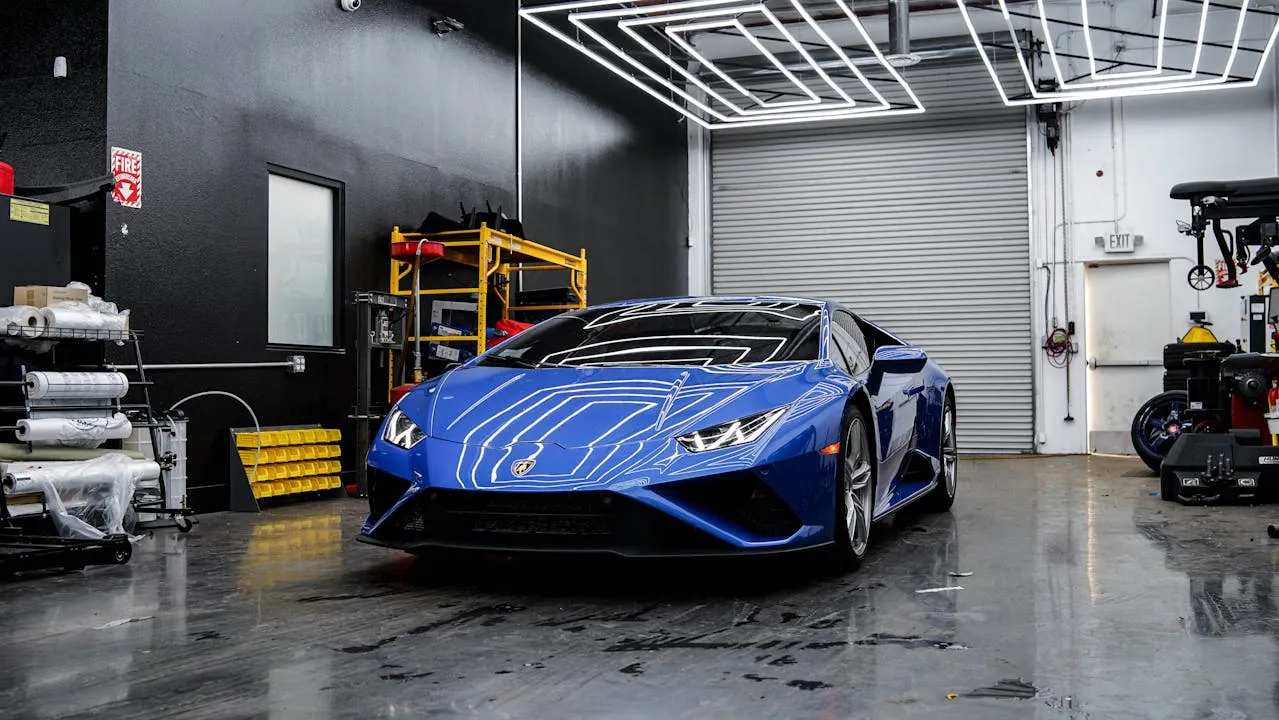
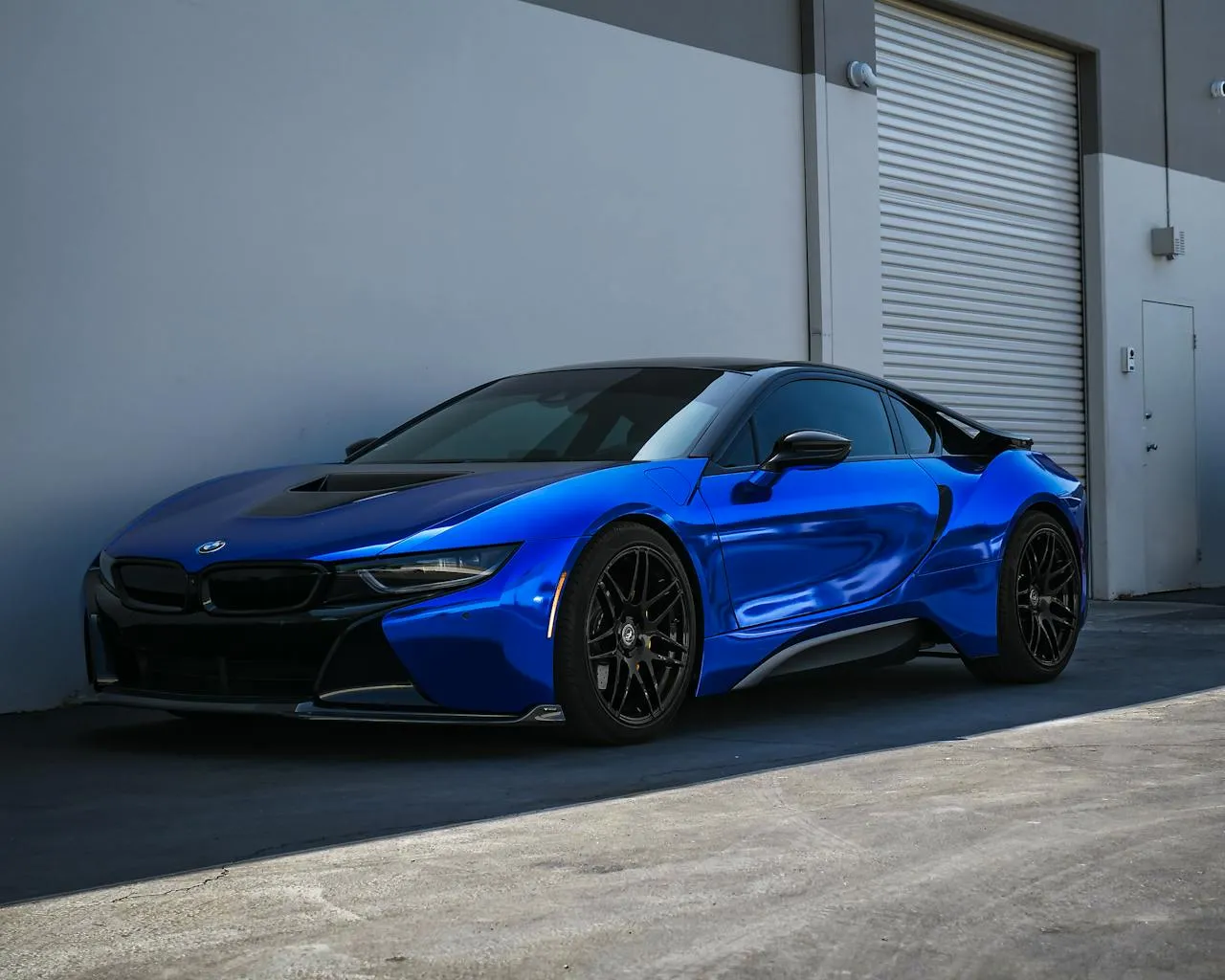
Your vehicle’s paint faces constant threats every time you hit the roads around University City. Whether you’re commuting past IKEA Charlotte, driving along University City Blvd Station, or heading to catch a concert at PNC Music Pavilion, your car’s exterior is vulnerable to numerous hazards. That’s where understanding paint protection becomes essential. At Infinite Auto Works, we’ve seen firsthand how the unique driving conditions in this area can impact vehicle paint over time.
This comprehensive guide explores the specific types of damage that protective film shields against, particularly considering the road conditions you encounter daily in University City, NC. You’ll discover why this protective layer has become an essential consideration for vehicle owners who want to maintain their car’s appearance and value.
Understanding Paint Protection Film Technology
Paint protection film is a transparent, thermoplastic urethane material that bonds to your vehicle’s painted surfaces. Think of it as an invisible shield that takes the beating so your actual paint doesn’t have to. This self-healing material can absorb impacts and resist various environmental threats that would otherwise compromise your vehicle’s finish.
The technology has evolved significantly over the years. Modern films feature multiple layers that work together to provide comprehensive protection. The top coat typically includes self-healing properties that allow minor scratches to disappear with heat exposure, while the core layer provides impact resistance and durability.
Rock Chips and Road Debris Damage
One of the most common threats to your vehicle’s paint comes from flying rocks and road debris. These projectiles can cause immediate and noticeable damage that’s both unsightly and expensive to repair.
Highway Hazards Near UNC Charlotte and University Research Park
The busy roads surrounding UNC Charlotte and University Research Park see heavy traffic flow throughout the day. Vehicles traveling at highway speeds kick up gravel, small stones, and debris that become airborne hazards. When these materials strike your vehicle’s paint at high velocity, they create chips and divots that expose the underlying layers.
Paint protection film in University City, NC acts as a sacrificial barrier that absorbs these impacts. The film’s thickness and elasticity allow it to disperse the energy from these strikes, preventing the damage from reaching your actual paint surface. Without this protection, you’d likely see chips accumulating on your hood, front bumper, and side mirrors within the first year of ownership.
Construction Zone Threats
University City continues to grow and develop, which means construction zones are a regular part of the driving landscape. These areas present unique challenges with loose gravel, dirt, and construction materials frequently present on roadways. Dump trucks and construction vehicles can shed debris, creating hazardous conditions for your vehicle’s finish.
The protective film creates a buffer zone that prevents these materials from making direct contact with your paint. Even when debris does strike your vehicle, the film’s impact-resistant properties significantly reduce the likelihood of permanent damage.
Weather-Related Paint Damage in University City
North Carolina’s climate presents its own set of challenges for vehicle paint. The combination of intense sun, humidity, and seasonal weather variations can gradually degrade unprotected surfaces.
UV Radiation and Sun Damage
The sun’s ultraviolet rays are relentless in their assault on automotive paint. Over time, UV exposure causes oxidation, fading, and a chalky appearance that dulls your vehicle’s finish. This process happens gradually, so many owners don’t notice until significant damage has occurred.
Quality auto paint protection film includes UV inhibitors that block these harmful rays from reaching your paint. This protection is particularly valuable for vehicles that spend time parked outdoors at locations like Topgolf or the University City Blvd Station parking areas. The film essentially acts as sunscreen for your car, preventing the premature aging that UV exposure causes.
Acid Rain and Environmental Contaminants
Industrial pollution, vehicle emissions, and natural environmental factors contribute to acid rain in the region. When acidic moisture sits on your vehicle’s surface, it can etch into the clear coat and paint layers, creating permanent staining and discoloration.
The protective film creates a non-porous barrier that prevents these contaminants from making direct contact with your paint. Water and acidic substances bead up and roll off the film’s surface, unable to penetrate and cause the etching damage that would occur on unprotected paint.
Scratches from Everyday Driving Situations
Your vehicle encounters countless opportunities for scratches during normal use. These incidents might seem minor individually, but they accumulate over time and can significantly impact your car’s appearance.
Parking Lot Incidents
Parking lots are prime locations for paint damage. Shopping carts, car doors from adjacent vehicles, and accidental brushes with posts or barriers all create scratches and scuffs. The busy parking areas near IKEA Charlotte or UNC Charlotte Main Station see high volumes of traffic, increasing the likelihood of these incidents.
Car paint protection film shop in University City, NC provides a cushioning layer that absorbs minor impacts and prevents surface scratches. The film’s self-healing properties are particularly valuable here, as the heat from the sun can actually reverse minor scratches, keeping your vehicle looking pristine despite regular parking lot use.
Automatic Car Wash Damage
Regular car washing is essential for maintenance, but automatic car washes can be surprisingly harsh on paint. The brushes and cleaning equipment, despite being designed for vehicles, can create fine scratches and swirl marks over repeated use. These microscopic scratches accumulate and eventually create a hazy, dull appearance.
The protective film takes this abrasion instead of your paint. Since the film can be replaced if needed, you’re essentially protecting the permanent painted surface with a renewable barrier. Many vehicle owners at Infinite Auto Works report being able to use automatic washes without worry after film application.
Chemical and Substance Staining
Various chemicals and organic substances can bond with automotive paint, creating stains that are difficult or impossible to remove without damaging the finish.
Bug Splatter and Tree Sap
Insect remains and tree sap are surprisingly corrosive. The acidic compounds in bug splatter can etch into paint if left for extended periods, while tree sap creates sticky residue that hardens and bonds to the surface. Removing these substances from unprotected paint often requires aggressive cleaning that can damage the clear coat.
With protective film, these substances sit on the film’s surface rather than bonding with your paint. Removal becomes much simpler, and you don’t risk damaging the underlying finish during cleaning. The film’s smooth surface also makes it more difficult for these substances to achieve a strong bond in the first place.
Road Salt and De-icing Chemicals
Winter driving conditions sometimes require road treatments that can be harsh on vehicle finishes. While University City doesn’t experience extreme winter weather, occasional ice and snow events mean roads get treated with salt and chemical de-icers. These substances are highly corrosive and can cause significant paint damage if allowed to remain on the surface.
The protective barrier prevents these chemicals from making direct contact with your paint. This is particularly important for areas like the lower portions of doors, rocker panels, and wheel wells where these substances tend to accumulate. Infinite Auto Works recommends protection for these vulnerable areas to prevent long-term corrosion and paint degradation.
Minor Abrasions and Scuff Marks
Daily driving inevitably leads to minor contact with various surfaces. Brushing against bushes while parking, light contact with curbs, or even leaning against your vehicle while loading items can create abrasions and scuff marks on unprotected paint.
The paint protection film in University City, NC serves as a sacrificial layer that accepts these minor abrasions without transferring them to your paint. The film’s thickness provides enough cushioning to prevent most light contact from affecting the painted surface underneath. Additionally, the self-healing properties of modern films mean that many of these minor marks simply disappear on their own when exposed to heat.
This protection extends the pristine appearance of your vehicle far beyond what would be possible with paint alone. Vehicle owners who install protection early in their ownership experience often find their paint looks nearly showroom fresh years later, while similar unprotected vehicles show the cumulative effects of countless minor incidents.
Understanding what paint protection film prevents helps you make informed decisions about protecting your investment. The roads and conditions around University City present numerous challenges for vehicle paint, from high-speed debris on highways to environmental contaminants that work slowly over time. By creating a durable, self-healing barrier between these threats and your vehicle’s finish, protective film maintains your car’s appearance and preserves its value for years to come.
Car wraps in University City, NC transform a vehicle’s appearance by changing its color or finish while protecting the original paint.
Frequently Asked Questions
How long does paint protection film typically last on a vehicle?
Quality paint protection film generally lasts between 5 to 10 years depending on environmental exposure, maintenance practices, and film quality. Films installed by professionals like those at Infinite Auto Works often include warranties that guarantee performance for specific periods. The self-healing properties remain active throughout the film’s lifespan, and proper care can extend its effectiveness.
Can paint protection film be applied to any vehicle color?
Yes, paint protection film is completely transparent and works effectively on all vehicle colors and finishes. Whether you have a deep black, bright white, or vibrant color, the film remains virtually invisible while providing protection. It won’t alter the appearance of your paint or create any color distortion.
Will the film damage my paint when it’s eventually removed?
When properly installed and removed by professionals, paint protection film will not damage your original paint. In fact, the paint underneath is typically in better condition than unprotected areas because it has been shielded from UV rays, contaminants, and physical damage throughout the film’s lifespan.
Does paint protection film require special maintenance or care?
Paint protection film is relatively low maintenance. You can wash your vehicle normally, though hand washing is gentler than automatic washes. Avoid using abrasive cleaning tools or harsh chemicals. Regular washing to remove contaminants and occasional application of film-specific sealants will help maintain the film’s appearance and self-healing properties.
Which parts of my vehicle should I prioritize for paint protection film?
The most vulnerable areas include the front bumper, hood, front fenders, side mirrors, door edges, and rocker panels. These areas receive the most exposure to road debris, environmental contaminants, and minor impacts. Many vehicle owners start with a front-end protection package and expand coverage based on their specific needs and driving conditions.