
Walk into any window tinting shop in Concord, NC during January, and you’ll likely notice something interesting. The waiting area is quieter. The schedule has openings. The installer has time to discuss your options in detail without rushing to the next appointment. Most people assume January is a bad time for window tinting because of the cold weather, and that assumption creates an opportunity for drivers who understand how the industry actually works. Shops like Infinite Auto Works see this pattern every year, where informed customers take advantage of the slower season while others wait until spring when everyone else has the same idea.
Why January Feels Like the Wrong Time for Window Tinting
There’s a logical reason why most people don’t think about window tinting in January. Winter in Concord brings temperatures that can dip into the 30s and occasionally below freezing overnight. When you’re dealing with frozen windshields and heated seats at maximum, the last thing on your mind is adding window film to your vehicle. The association between tinting and summer sun protection runs deep in most people’s minds.
This seasonal thinking makes sense on the surface. After all, why would you invest in something designed to block heat and UV rays when you’re more concerned about staying warm? The connection between window tinting and summer comfort is so strong that it overshadows the year-round benefits that quality window film provides. Privacy, UV protection, interior preservation, and even heat retention during winter all get forgotten when people mentally file window tinting under “summer projects.”
Add to this the general slowdown that happens in January. People are recovering from holiday expenses, focusing on New Year resolutions that have nothing to do with their vehicles, and generally not thinking about automotive upgrades. The combination of cold weather, financial recovery, and mental associations creates a perfect storm of reduced demand.
The Truth About Seasonal Demand for Window Tinting Services
The window tinting industry experiences predictable seasonal fluctuations that any professional installer can describe in detail. Spring and summer represent peak seasons when shops are booked weeks in advance. March through August sees the highest volume of appointments as temperatures rise and people become acutely aware of sun glare and cabin heat.
Fall brings a moderate level of activity as people tackle projects before winter arrives. Then January and February hit, and the industry experiences its slowest period. This isn’t because window tinting becomes less effective or more difficult during these months. It’s purely a perception issue driven by consumer behavior patterns.
How Weather Affects Installation Scheduling
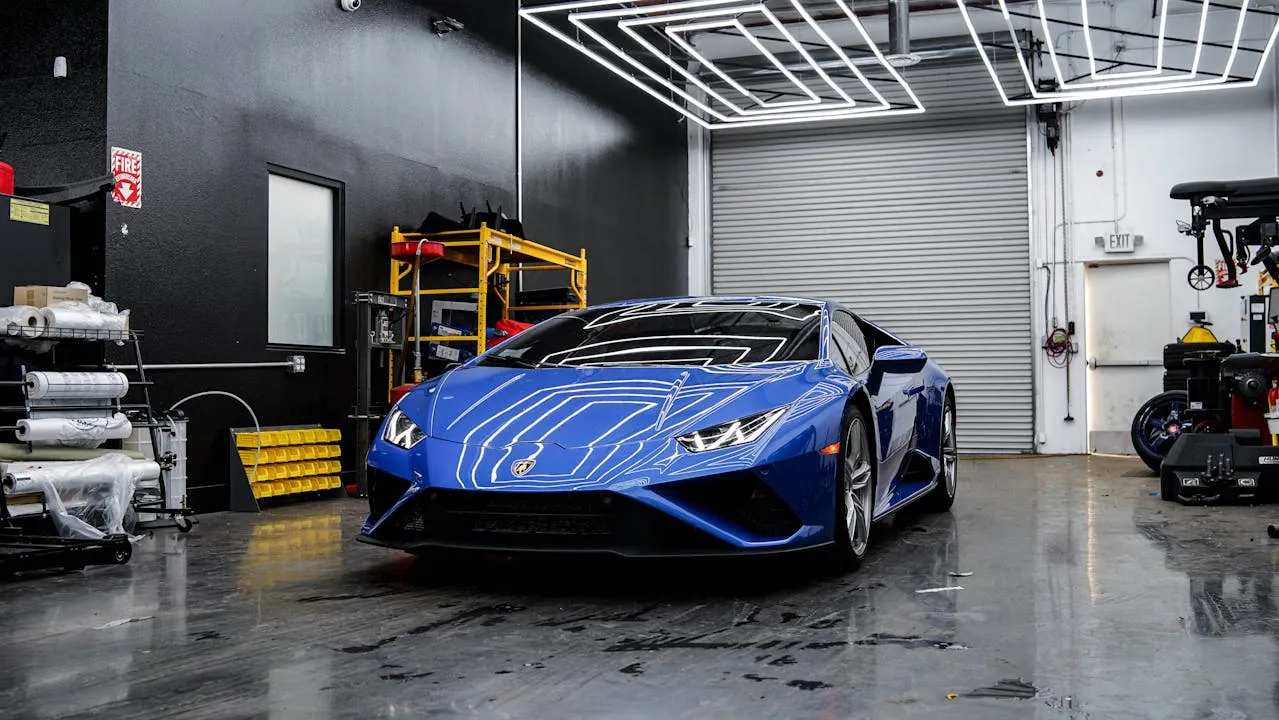
Here’s what most people don’t realize about modern window tinting operations. Professional shops don’t install window film outdoors in parking lots anymore. Infinite Auto Works and other quality facilities operate in climate-controlled environments specifically designed for precise window film installation. The outdoor temperature could be 25 degrees or 95 degrees, and it makes virtually no difference to the installation process itself.
The controlled environment ensures consistent temperatures, low humidity, and dust-free conditions that are essential for proper film adhesion. This means the quality of installation you receive in January is identical to what you’d get in July. The film bonds to the glass the same way. The installer uses the same techniques. The results are equally durable and long-lasting.
The Myth of Off-Season Quality
Some people worry that scheduling during a slow period might result in rushed work or inexperienced technicians handling the job. The reality is exactly the opposite. During peak season, installers work under time pressure, moving from one vehicle to the next throughout the day. The quality remains professional because these are trained experts, but the pace is relentless.
In January, that same skilled installer has more time to focus on your specific vehicle. They can take extra care with complex window curves, double-check every edge, and ensure absolutely perfect results without watching the clock. You’re getting the attention of an experienced professional who isn’t mentally calculating how many more cars need to be completed before closing time.
 Why January Is Actually the Perfect Time to Tint
Once you understand that installation quality remains consistent regardless of season, the advantages of booking during January become obvious. You’re essentially getting the same service with several added benefits that peak season customers don’t enjoy.
Faster Turnaround Times During Slower Months
During summer months, booking an appointment at a reputable shop in Concord, NC might require two to three weeks of advance notice. Popular time slots fill quickly, and if you need your vehicle back by a specific date, your options become limited. Some people end up choosing less convenient times or even settling for lesser-known shops simply because the preferred facility is fully booked.
January changes this completely. When you call to schedule window tinting in Concord, NC during the slow season, you’ll find appointments available within days rather than weeks. Need your vehicle completed by the weekend? That’s usually not a problem. Have a specific time preference that works with your schedule? You’ll likely get exactly the slot you want.
This faster turnaround extends beyond just scheduling. The actual installation often proceeds more smoothly when the shop isn’t juggling multiple vehicles simultaneously. Your car gets moved into the bay promptly, the work proceeds without interruption, and you get back on the road sooner than you would during busy periods.
More Flexible Scheduling Options
Flexibility matters more than many people realize until they need it. During peak season, shops operate on tight schedules with little room for accommodation. If you need to reschedule, the next available opening might be several weeks away. If an unexpected issue arises with your vehicle that requires slightly more time, the shop might struggle to adjust without affecting subsequent appointments.
January scheduling offers something much more relaxed. Need to move your appointment by a day or two? That’s typically easy to accommodate. Want to discuss additional services or options after seeing the initial results? There’s time for that conversation. Discover a small issue that needs attention before the film goes on? The installer can address it without creating a scheduling nightmare.
Avoiding the Spring and Summer Rush
Think ahead to April and May in Concord. Temperatures are climbing, the sun feels intense again, and suddenly everyone remembers they’ve been meaning to get their windows tinted. Shops that had wide-open schedules in January are now booked solid. The same installation that would have taken three days from initial call to completion now requires three weeks.
By booking in January, you completely bypass this rush. When spring arrives and temperatures soar, you’re already enjoying the benefits of window tinting while others are still trying to get appointments. Your vehicle is protecting you from UV rays, keeping the interior cooler, and providing privacy while your neighbors are just starting to research their options.
There’s also a psychological benefit to being proactive rather than reactive. You made a decision based on long-term planning rather than immediate discomfort. That tends to result in more thoughtful choices about film type, shade level, and overall approach rather than hasty decisions made while sitting in an overheated vehicle.
What Happens When You Wait Until Peak Season
The contrast between January booking and summer booking reveals itself in multiple ways. During peak season, popular shops like Infinite Auto Works fill their schedules quickly with customers who planned ahead during slower months, leaving less availability for those who waited.
You might find yourself compromising on appointment times, accepting less convenient scheduling, or even considering shops you wouldn’t normally choose simply because they have availability. The urgency of wanting tinting done quickly during hot weather can lead to decisions you wouldn’t make with more time and options.
Premium films and specialty services also become harder to access during peak periods. If you want a specific ceramic film or need a complex installation on a vehicle with unusual glass, the limited availability during busy seasons might force you to wait longer or adjust your preferences. Booking during January means you get first choice of materials and techniques without competition from dozens of other customers.
Cold Weather Window Tinting: Does It Actually Work?
This question comes up frequently, and it deserves a detailed answer because misunderstandings about cold weather installation prevent many people from booking during winter months.
Indoor Installation Facilities Make the Difference
Professional window tinting doesn’t happen in your driveway or a parking lot. Facilities like Infinite Auto Works maintain climate-controlled bays specifically designed for this work. These spaces stay at optimal temperatures year-round, typically between 65 and 75 degrees with controlled humidity levels.
When your vehicle enters the installation bay, it’s in an environment as controlled as an operating room. The temperature of the glass, the ambient air, and the application solution all remain within the ideal range for film adhesion. The outdoor temperature is irrelevant once your vehicle is inside this controlled space.
The installation process itself generates no dependency on external conditions. The installer cleans the glass, prepares the film, applies the solution, positions the film, and squeezes out excess moisture using the same techniques regardless of what season it is. The chemical properties of the adhesive don’t change based on the calendar date.
Film Curing in Winter Conditions
Here’s where some legitimate questions arise. Window film needs time to cure fully after installation, a process that typically takes several days to a few weeks depending on conditions. During this curing period, moisture trapped between the film and glass gradually evaporates, and the adhesive reaches its full bond strength.
Cold weather can slow this curing process slightly, but it doesn’t prevent it or compromise the final result. The film still cures completely. It just might take an extra week or two compared to summer conditions. During this time, you’ll follow the same care instructions regardless of season: avoid rolling down windows for a specified period, don’t clean the film aggressively, and let the curing process complete naturally.
The extended curing time in winter is actually less inconvenient than it might seem. In summer, you’re eager to roll down windows and enjoy the weather, making the restriction feel limiting. In winter, you’re keeping windows up anyway because of the cold, so the curing period passes without any practical impact on your daily routine.
The Financial Side of Booking During January
While this isn’t about sales tactics, understanding industry economics helps explain why January booking makes financial sense for consumers.
How Demand Affects Pricing Throughout the Year
Basic economic principles apply to window tinting just like any other service. When demand is high and appointment slots are scarce, prices tend to reflect that market reality. When demand is lower and shops have availability, competitive pressure keeps pricing more favorable for customers.
Some shops maintain consistent pricing year-round, but others adjust their rates or offer promotions during slower periods to maintain steady workflow. Even when base prices remain the same, the value proposition changes. Getting prompt service, flexible scheduling, and unhurried attention during January delivers more total value than the same price point during peak season when you’re competing with dozens of other customers for time and attention.
Car window tinting in Concord, NC represents an investment in your vehicle that pays dividends in comfort, UV protection, interior preservation, and privacy. Making that investment during a period when you receive maximum attention and service value simply makes good financial sense.
Preparing Your Vehicle for Year-Round Benefits
January installation positions your vehicle perfectly for the entire year ahead. By the time spring arrives and temperatures climb, your window film is fully cured and performing at peak effectiveness. You’re not scrambling for appointments when everyone else realizes they need tinting. You’re not suffering through weeks of intense sun while waiting for an opening at a quality shop.
The benefits of window tinting extend far beyond summer comfort. Quality film blocks 99 percent of UV rays year-round, protecting your skin during every drive regardless of season. It preserves your interior by preventing sun damage that causes fading, cracking, and deterioration of dashboard materials, seats, and trim. These protective benefits accumulate over time, meaning earlier installation provides more total protection.
Privacy and security benefits also function year-round. The film that keeps people from easily seeing into your vehicle works the same in January as it does in July. If you frequently transport valuable items or simply prefer privacy while driving, those advantages begin immediately upon installation rather than waiting until summer.
The thermal properties of modern window film work bidirectionally. While most people focus on keeping heat out during summer, quality films also help retain heat during winter by adding an insulating layer to your windows. This isn’t dramatic enough to replace your heater, but it does reduce heat loss and can improve efficiency slightly during cold months.
Conclusion
January’s reputation as a slow season for auto window tinting in Concord, NC creates a genuine opportunity for drivers who understand the realities of professional installation. The weather outside has no impact on the quality of work performed in climate-controlled facilities like those at Infinite Auto Works. What changes is your experience as a customer, with faster scheduling, more flexible appointments, unhurried service, and preparation for the demanding months ahead. The technical aspects of installation remain identical regardless of season, while the practical benefits of booking during lower-demand periods provide advantages that peak-season customers simply cannot access. Smart drivers recognize that the best time to prepare for summer heat is during winter calm, securing professional service when shops have the time and availability to deliver exceptional results without the pressure and delays that characterize busy seasons. By the time spring arrives and temperatures soar, you’ll be enjoying complete protection while others are still searching for available appointments.
FAQs
Does cold weather affect how long window tint lasts or its durability?
Cold weather during installation has no negative impact on the long-term durability of professionally installed window film. The installation occurs in climate-controlled facilities where temperature and humidity are optimized for proper adhesion. Once installed, quality window film is engineered to withstand temperature extremes ranging from well below freezing to over 100 degrees throughout its lifespan. The film you have installed in January will perform identically to film installed in July, with the same expected lifespan of 10 to 15 years or more depending on film quality and care.
Will my windows look cloudy or hazy during the winter curing process?
Some haziness or small water bubbles immediately after installation are completely normal regardless of season. This appearance results from moisture trapped between the film and glass that gradually evaporates during the curing process. In winter, this curing period may extend slightly longer than during warm months, but the film will clear completely as curing progresses. Most haziness disappears within the first week, with full clarity achieved within two to four weeks. This is a normal part of the process and does not indicate any problem with the installation.
Can I use my defroster on newly tinted rear windows during winter?
Yes, you can use your rear defroster after window tinting, though you should wait until the film has cured sufficiently. Most installers recommend waiting at least three to five days before using the defroster to allow initial adhesion to strengthen. After this brief period, your defroster works normally without damaging the film. Professional installers at facilities like Infinite Auto Works know how to work around defroster lines and heating elements to ensure the film bonds properly without interfering with defrost functionality. This is one reason why professional installation matters compared to DIY approaches.
How long should I wait after January installation before washing my vehicle?
You should avoid washing your vehicle for at least three to five days after window tinting installation, and this applies regardless of season. When you do wash your vehicle, avoid directing high-pressure water directly at the window edges where film meets glass, especially during the first two weeks. Hand washing is preferable to automatic car washes during the first month. In winter, this timing often works out conveniently since many people wash their vehicles less frequently during cold months anyway. Once the film is fully cured after several weeks, you can wash your vehicle normally without any special precautions.
If I book in January, will the film be ready to protect me from sun by spring?
Absolutely. Window film begins blocking UV rays and reducing heat immediately upon installation, even before it fully cures. The curing process affects the cosmetic appearance and final bond strength, not the film’s protective properties. If you have window tinting installed in January, the film will be fully cured and performing at 100 percent effectiveness well before spring temperatures arrive. You’ll enter the warm season with complete protection already in place, avoiding the discomfort of waiting weeks for an appointment while dealing with intense sun and heat that characterizes peak-season booking.