


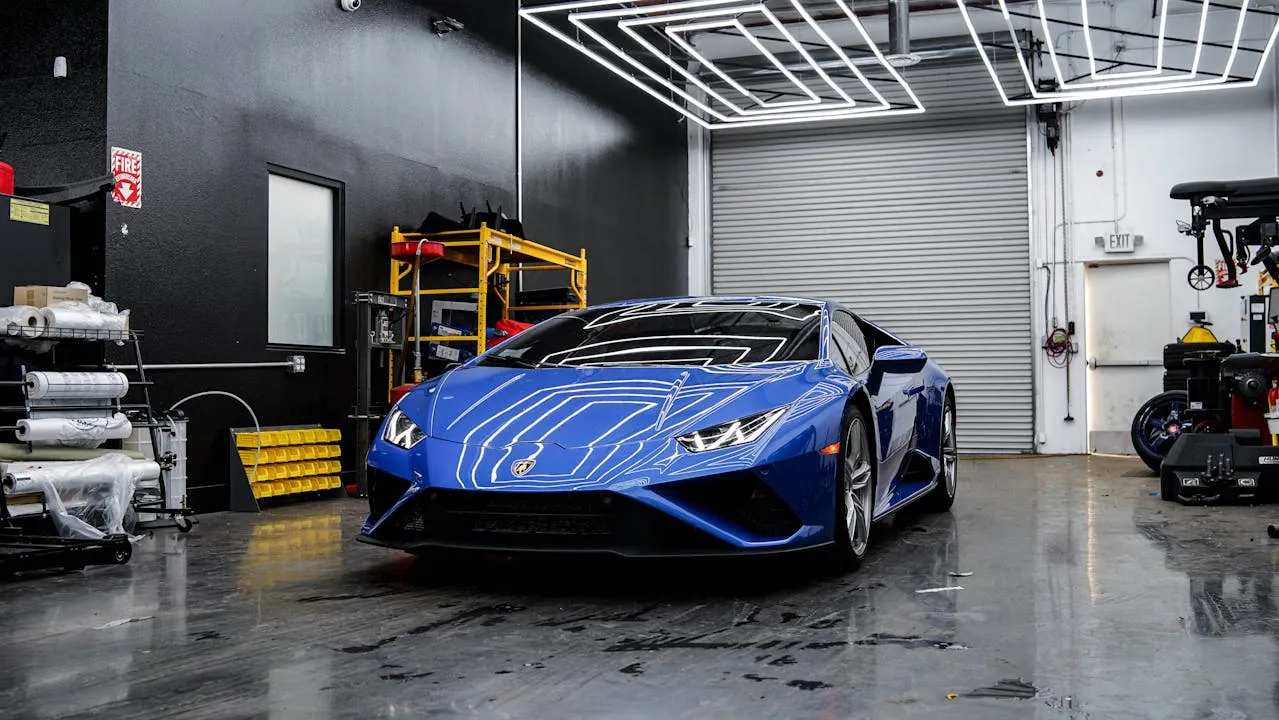
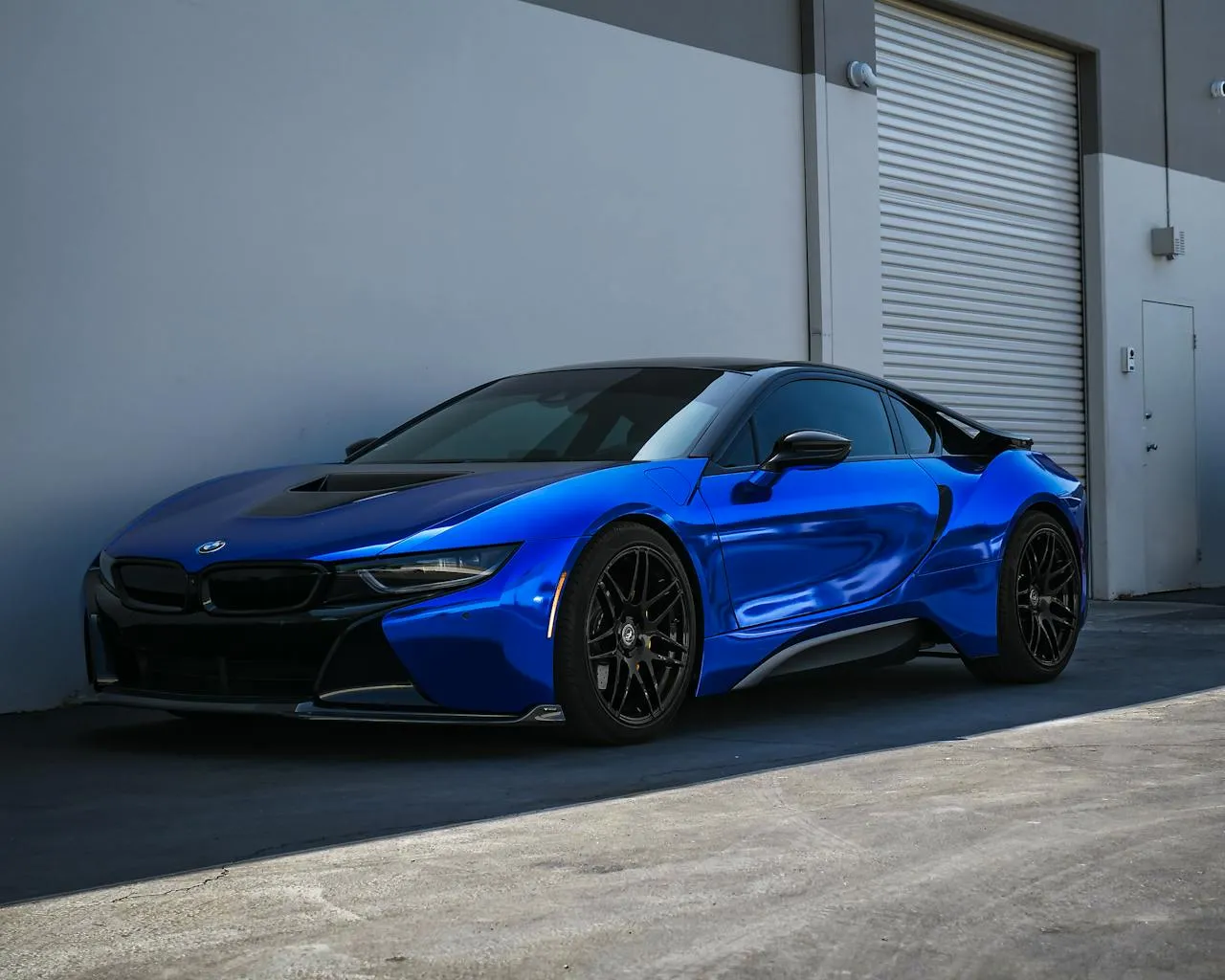
Vehicle owners in Rocky River face a unique set of challenges when it comes to keeping their cars protected from environmental damage. The local climate, road conditions, and natural surroundings create a perfect storm of factors that can rapidly deteriorate your vehicle’s exterior and interior if left unaddressed. From relentless sun exposure to seasonal weather changes, understanding these challenges is the first step toward implementing effective protective measures. Auto Protection in Rocky River, NC isn’t just about maintaining appearances; it’s about preserving your vehicle’s value and preventing costly repairs down the road.
Infinite Auto Works recognizes that Rocky River drivers encounter specific obstacles that require targeted solutions. Many vehicle owners don’t realize the extent of damage occurring until it becomes visually apparent and expensive to correct. Auto window tinting, protective coatings, and regular maintenance routines can significantly reduce the impact of these environmental challenges. Infinite Auto Works has observed how local conditions affect vehicles differently than in other regions, making specialized knowledge essential for effective protection. The key is identifying which challenges pose the greatest risk to your specific vehicle and addressing them proactively.
Intense UV Radiation and Paint Deterioration
Rocky River experiences substantial sunshine throughout the year, which means your vehicle faces constant UV bombardment. This isn’t just about hot summer days; even cloudy conditions allow UV rays to penetrate and cause cumulative damage. The ultraviolet radiation breaks down the chemical bonds in your paint’s clear coat, leading to a process called photodegradation. Over time, this exposure weakens the protective layers that keep your base coat vibrant and intact.
The challenge intensifies for vehicles parked outdoors regularly. If you don’t have covered parking, your car essentially sits in a tanning booth day after day. The hood, roof, and trunk receive the most direct exposure and typically show damage first. Dark-colored vehicles absorb more heat, accelerating the deterioration process. Light-colored cars, while slightly more resistant, still suffer significant UV damage over months and years of exposure.
Fading and Oxidation Problems
Paint fading represents one of the most visible challenges Rocky River drivers face. What starts as a subtle loss of luster eventually becomes obvious discoloration that makes your vehicle look years older than it actually is. Red and black paints are particularly susceptible to fading, though no color is immune. The fading doesn’t occur uniformly either; you’ll notice horizontal surfaces fade faster than vertical ones because they receive more direct sunlight.
Oxidation follows fading as the clear coat continues to break down. The paint surface becomes rough and chalky to the touch, losing its smooth, glossy finish. At this stage, the damage has penetrated through protective layers and reached the color coat itself. Auto Protection Services Rocky River, NC professionals can help prevent this progression, but once oxidation sets in deeply, only repainting can fully restore the finish. Prevention through protective films and coatings costs far less than remediation.
Interior Material Degradation
UV damage doesn’t stop at your vehicle’s exterior. The sun’s rays penetrate through windows and systematically destroy interior materials. Dashboard surfaces crack and warp under prolonged exposure, especially in vehicles without tinted windows. Leather seats fade and become brittle, while fabric upholstery loses color vibrancy and structural integrity. Plastic trim pieces that were once glossy become dull and discolored.
Window Tinting in Rocky River, NC addresses this challenge by blocking up to 99% of harmful UV rays before they enter your vehicle. The temperature reduction from quality window film also prevents the extreme heat buildup that accelerates material breakdown. Steering wheels, door panels, and center consoles all benefit from reduced sun exposure. This protection maintains your interior’s appearance and comfort while preserving resale value significantly.
Road Debris and Stone Chip Damage
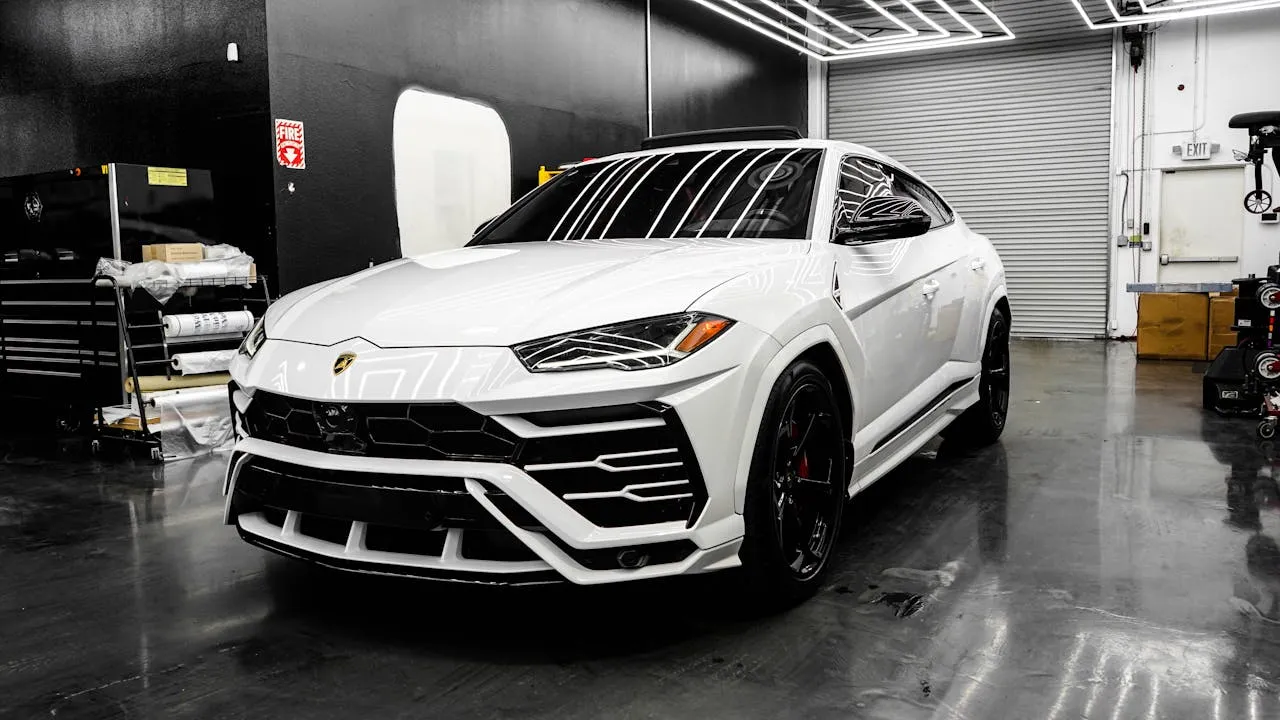
Rocky River’s roadways present constant hazards in the form of gravel, rocks, and debris kicked up by surrounding traffic. Highway driving exposes your vehicle to projectiles traveling at high speeds that impact paint surfaces with surprising force. The front bumper, hood, fenders, and lower door panels are particularly vulnerable to these impacts. Each chip creates an entry point where moisture and contaminants can reach the metal beneath your paint.
Construction zones compound this challenge. Rocky River has seen considerable development and infrastructure work, meaning drivers regularly encounter loose aggregate and construction materials on roadways. Even careful driving can’t completely avoid debris when it’s scattered across travel lanes. Infinite Auto Works understands how these seemingly minor chips accumulate over time, creating a weathered appearance that diminishes your vehicle’s aesthetic appeal and protective integrity.
Seasonal Weather Fluctuations and Corrosion
North Carolina’s varied seasons create temperature swings that challenge vehicle protection systems. Winter brings cooler temperatures and occasional freezing conditions, while summer delivers heat and humidity. These fluctuations cause materials to expand and contract repeatedly, creating stress on paint, seals, and protective coatings. Microscopic cracks develop where moisture can penetrate and cause hidden damage.
The transition periods between seasons prove especially problematic. Spring and fall bring rain mixed with pollen and organic debris that creates acidic combinations on paint surfaces. If not removed promptly, these contaminants etch into clear coats and leave permanent marks. Auto Protection Services Rocky River, NC focus on solutions that remain effective across all seasonal conditions, providing year-round defense against temperature-related challenges.
Winter Salt and Chemical Exposure
While Rocky River doesn’t experience severe winters compared to northern states, road treatment during icy conditions still poses significant challenges. Road crews apply salt and chemical de-icers preventatively, meaning your vehicle gets exposed even during relatively mild winter weather. These substances are highly corrosive and specifically designed to break down ice, but they don’t discriminate and attack your vehicle’s metal components just as effectively.
The undercarriage suffers most from salt exposure because spray from tires coats everything underneath your vehicle. Brake lines, exhaust systems, suspension components, and the frame itself face accelerated corrosion. Salt creeps into crevices where moisture can’t evaporate, creating perfect conditions for rust formation. Regular undercarriage washing helps, but protective coatings provide superior defense against chemical corrosion. Infinite Auto Works emphasizes undercoating as essential protection for vehicles in areas where road salt appears even occasionally.
Humidity and Moisture Retention
Summer humidity in Rocky River creates its own set of protection challenges. Moisture in the air settles on vehicle surfaces, and when combined with heat, it accelerates chemical reactions that damage paint and metal. Door jambs, trunk seals, and other areas where water can collect become breeding grounds for corrosion. Paint protection must account for constant moisture exposure, not just occasional rain events.
Humidity also affects how contaminants interact with your vehicle’s surfaces. Pollen, dust, and industrial fallout become sticky and harder to remove when humidity levels are high. These substances bond more aggressively to paint in humid conditions, increasing the likelihood of staining and etching. Auto Protection Shop Near Me Rocky River, NC services address moisture-related challenges through hydrophobic coatings that repel water and prevent contaminant adhesion.
Pollen and Tree Sap Contamination
Rocky River’s abundant vegetation means vehicles face constant bombardment from organic materials. Spring brings massive pollen releases that coat every outdoor surface in a thick yellow layer. This pollen isn’t just unsightly; it’s acidic and can etch into paint if left to sit, especially when combined with morning dew or rain. The sticky nature of pollen makes it difficult to remove without proper washing techniques.
Tree sap presents an even greater challenge. Once sap lands on your paint, it bakes in the sun and becomes incredibly difficult to remove without damaging the finish. Sap can penetrate through clear coats if not addressed quickly. Birds attracted to flowering trees add another layer of contamination, as their droppings are highly acidic and cause immediate paint damage. These natural hazards require vigilant maintenance and protective barriers that prevent organic materials from directly contacting paint surfaces.
Hard Water Spots and Mineral Deposits
Water quality in Rocky River varies, but many areas have relatively hard water with high mineral content. When this water dries on your vehicle’s surface, it leaves behind mineral deposits that appear as white spots or streaks. These spots aren’t just cosmetic; the minerals actually etch into paint and glass if allowed to sit. Repeated exposure creates permanent damage that can only be removed through polishing or, in severe cases, paint correction.
Rocky River, NC Car Protection Services often address hard water damage that accumulates over months of outdoor parking and insufficient drying after rain or washing. Sprinkler systems that accidentally spray vehicles create particularly stubborn mineral deposits. Ceramic coatings help by making surfaces so smooth that water beads and rolls off before evaporating, significantly reducing mineral deposit formation. This protection proves especially valuable for vehicles parked near irrigation systems or in areas with frequent rain showers followed by intense sun.
Lack of Proper Protection Knowledge
One of the biggest challenges facing Rocky River drivers isn’t environmental but educational. Many vehicle owners simply don’t understand what protection their cars need or when to apply it. They might assume that regular washing is sufficient or that factory paint provides adequate long-term protection. This knowledge gap leads to delayed action, allowing damage to accumulate until it requires expensive correction rather than simple prevention.
Social media and online forums spread conflicting information about vehicle protection, making it difficult for average consumers to distinguish effective solutions from marketing hype. Some drivers invest in products that provide minimal benefit while neglecting proven protective measures. Others attempt DIY installations of protective films or coatings without proper preparation or technique, resulting in poor outcomes that discourage future protection efforts. Vehicle Protection Services from experienced professionals help bridge this knowledge gap with expert guidance tailored to individual vehicles and usage patterns.
Misconceptions About Waxing and Washing
Traditional car care wisdom emphasizes regular waxing as the cornerstone of paint protection. While waxing does provide temporary benefits, many drivers overestimate its protective capabilities. Carnauba wax lasts only a few weeks before breaking down, requiring constant reapplication to maintain any benefit. Synthetic sealants last slightly longer but still provide minimal protection against UV damage, chemical contamination, and physical impacts.
The washing process itself can cause damage if done incorrectly. Automatic car washes use harsh brushes that create swirl marks and micro-scratches. Hand washing with contaminated towels or improper techniques achieves similar results. Many drivers don’t realize that these seemingly minor imperfections accumulate over time, creating a dull, hazy finish that diminishes appearance and resale value. Infinite Auto Works educates clients on proper maintenance techniques that complement professional protection rather than undermining it.
Finding Reliable Protection Solutions
Overcoming Rocky River’s auto protection challenges requires a multi-faceted approach combining several proven technologies. Paint protection film provides physical barriers against rock chips and scratches. Ceramic coatings offer chemical resistance and UV protection while making maintenance easier. Window tinting blocks harmful rays from entering the vehicle interior. Undercoating prevents corrosion from road salt and moisture exposure. No single solution addresses all challenges, which is why comprehensive protection strategies yield the best results.
Selecting quality products and skilled installers makes the difference between effective protection and wasted money. Professional-grade materials outperform consumer products significantly in durability and protective capabilities. Proper surface preparation and installation technique ensure protection adheres correctly and lasts for years rather than months. Reputable providers stand behind their work with warranties that demonstrate confidence in their materials and methods. Research and due diligence when selecting protection services prevents disappointment and ensures your investment delivers expected returns.
Conclusion
Rocky River drivers face numerous challenges that threaten their vehicles’ appearance and longevity. Intense UV exposure, road debris, seasonal weather changes, organic contamination, and hard water all conspire to damage unprotected vehicles. The cumulative effect of these challenges can reduce your vehicle’s value by thousands of dollars over just a few years. Understanding these risks and implementing comprehensive protection strategies preserves your investment while maintaining that new-car appearance. Professional protection services offer solutions specifically designed to address local environmental conditions, providing defense that regular washing and waxing simply cannot match.
FAQs
How quickly can UV damage affect my vehicle’s paint in Rocky River?
UV damage begins immediately upon sun exposure but becomes visually noticeable after 2 to 3 years of regular outdoor parking. The damage is cumulative and accelerates over time as protective clear coat layers break down. Vehicles parked outside daily show significantly more fading and oxidation than garage-kept cars within the first five years of ownership.
Can paint protection film prevent all types of damage to my vehicle?
Paint protection film excels at preventing physical damage like rock chips, scratches, and minor abrasions but doesn’t protect against UV damage alone. Combining PPF with ceramic coatings provides comprehensive protection covering both physical and environmental threats. Window tinting adds interior protection, creating a complete defensive system for your vehicle.
Is it worth protecting an older vehicle that already shows some wear?
Protecting older vehicles prevents further deterioration and can actually improve appearance if combined with paint correction services. Stopping damage progression preserves remaining value and extends the vehicle’s usable life. The cost of protection is typically much less than repainting or dealing with corrosion repairs that develop without protection.
How does Rocky River’s climate compare to other areas regarding vehicle protection needs?
Rocky River’s combination of high humidity, intense sun, and variable seasonal conditions creates above-average protection requirements. While not as extreme as coastal salt exposure or desert heat, the mixed conditions attack vehicles from multiple angles simultaneously. This makes comprehensive protection more valuable here than in regions with single dominant weather patterns.
What’s the most cost-effective way to protect my vehicle from Rocky River’s environmental challenges?
Ceramic coating provides the best value for most drivers because it addresses multiple challenges simultaneously while lasting several years. Adding window tinting maximizes interior protection at relatively low cost. For vehicles facing heavy highway use, paint protection film on high-impact areas prevents the most expensive damage types from occurring.