Auto protection has become a major priority for vehicle owners who want their cars to stay in great shape without constant repainting or repairs. Many drivers in Royal Oaks, NC now see auto window tinting and other protective services as essential, especially with climate conditions and daily driving habits putting more stress on exterior surfaces than ever before. That is one reason why many drivers rely on Infinite Auto Works, a trusted name in the area, for reliable protection solutions that keep their vehicles looking their best through every season.
In the first stages of learning about exterior care, most car owners are surprised by how quickly paint, trim, and clear coats can deteriorate without proper protection. This is where Infinite Auto Works provides valuable, long lasting solutions that reduce the early signs of aging on a vehicle’s surface. Because the environment in Royal Oaks is always shifting, high quality auto protection in Royal Oaks becomes a practical way to maintain both appearance and long term durability.
Understanding the Threats to Your Vehicle’s Exterior
Vehicle exteriors face a remarkably hostile environment that attacks from multiple angles simultaneously. Unlike garage-kept collectibles that see minimal exposure, daily-driven vehicles endure constant stress from weather, road conditions, pollutants, and physical contact. Each threat contributes to cumulative degradation that accelerates over time as protective layers wear thin and expose vulnerable base layers to direct attack.
The misconception that simply washing your vehicle provides adequate protection ignores the reality of how environmental damage occurs. Many forms of deterioration happen at microscopic levels, with contaminants bonding to paint surfaces, UV radiation breaking down molecular structures, and chemical reactions etching surfaces long before visible damage appears. By the time you notice swirls, fading, or etching, significant damage has already occurred beneath the surface.
Environmental Factors That Cause Paint Deterioration
Sunlight delivers intense ultraviolet radiation that breaks down the chemical bonds in automotive paint and clear coat layers. This photodegradation causes fading, oxidation, and eventual clear coat failure where the protective layer peels away from underlying paint. The process accelerates in regions with intense sun exposure but occurs everywhere sunlight reaches vehicle surfaces.
Atmospheric pollutants including industrial fallout, acid rain, and road chemicals create corrosive conditions that etch paint surfaces. These contaminants don’t simply sit on your paint; they chemically react with it, causing permanent damage that washing cannot reverse. Tree sap, bird droppings, and insect remains contain acids that begin etching within hours of contact, creating permanent marks if not immediately removed.
The Science Behind Modern Auto Protection Solutions
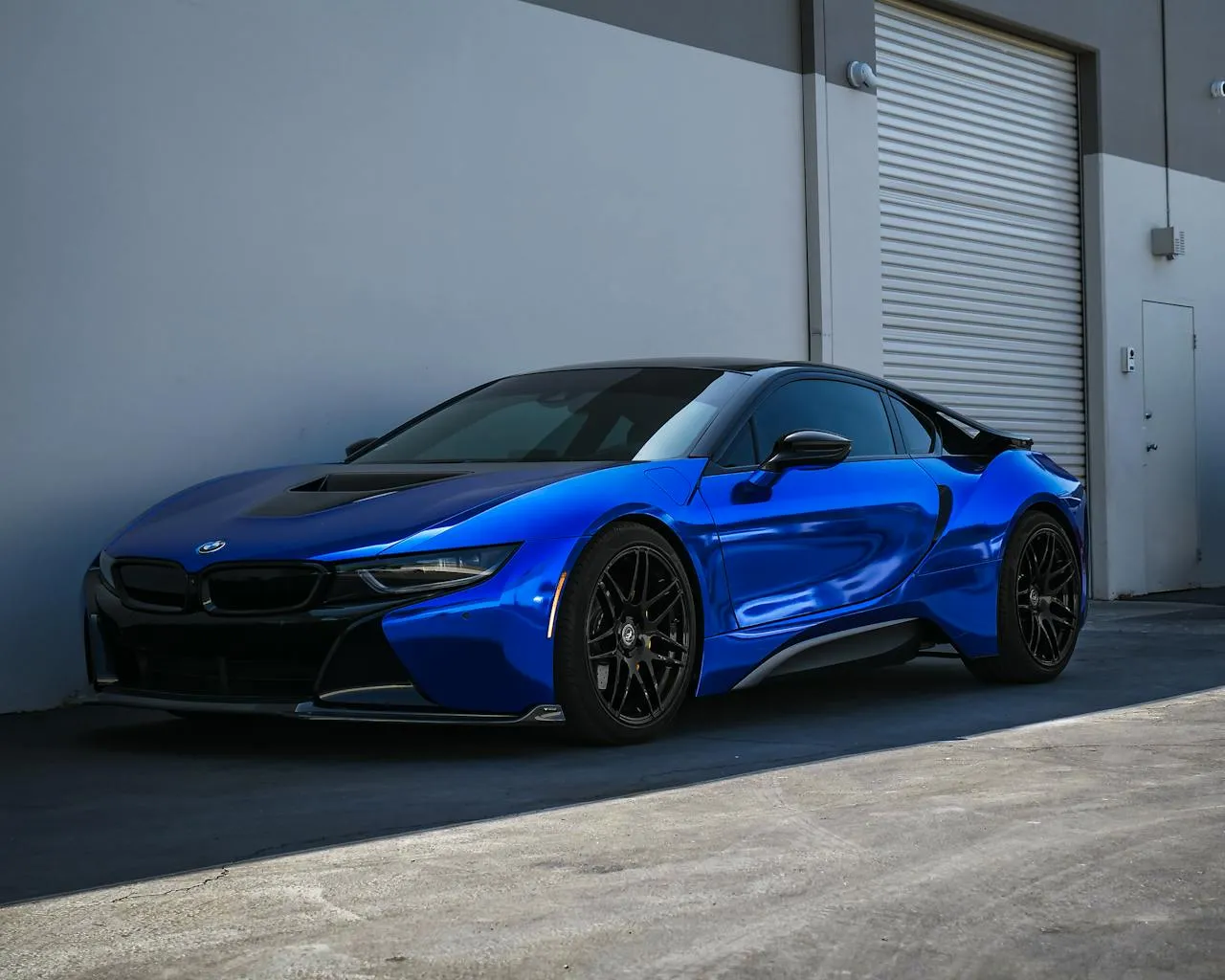
Contemporary Auto Protection Shop in Royal Oaks, NC technologies employ advanced materials science to create barrier layers that absorb environmental punishment without allowing it to reach underlying paint systems. These solutions range from sacrificial films that take damage in place of your paint to hardened coatings that resist scratching and chemical etching. Each technology addresses specific threat categories while contributing to overall exterior preservation.
The effectiveness of protection systems depends on their ability to resist or deflect the particular types of damage your vehicle faces. Physical barriers like paint protection film excel at preventing rock chips and scratches, while ceramic coatings provide chemical resistance and UV protection. Understanding these functional differences helps identify which protection strategies deliver the most value for your specific circumstances and vehicle usage patterns. Specialists offering Auto Protection in Royal Oaks, NC can assess your particular needs and recommend appropriate solutions.
Paint Protection Films and Their Barrier Function
Paint protection film (PPF) consists of thick, optically clear urethane layers applied to painted surfaces. These films typically measure 6 to 8 mils thick, providing substantial physical barrier that absorbs impacts from rocks, road debris, and minor abrasions that would otherwise chip or scratch paint. The urethane material possesses self-healing properties, where minor scratches disappear when exposed to heat as the material flows back together.
The film’s thickness creates a sacrificial layer that protects your actual paint surface. When road debris strikes your vehicle, the impact damages the film rather than the paint beneath. While severe impacts might tear or damage the film, the underlying paint remains pristine. Replacing damaged film sections costs far less than repainting, and the protected areas maintain their original factory finish indefinitely.
Ceramic Coatings and Surface Hardness
Ceramic coatings utilize nanotechnology to create extremely hard, chemically resistant layers bonded to paint surfaces at molecular levels. These coatings don’t provide thickness like PPF but instead transform the surface properties of your paint, making it more resistant to chemical etching, easier to clean, and more resistant to light scratching. The silicon dioxide or silicon carbide base materials cure to create surfaces harder than factory clear coat.
The chemical resistance of ceramic coatings prevents contaminants from bonding to paint surfaces. Acid rain, bird droppings, and road chemicals bead on ceramic-coated surfaces rather than etching into them, buying you time to clean the vehicle before permanent damage occurs. This characteristic dramatically reduces the risk of permanent etching marks that plague unprotected vehicles.
UV Radiation and Its Impact on Automotive Finishes
Ultraviolet radiation represents one of the most persistent and damaging environmental factors affecting vehicle exteriors. UV rays penetrate clear coat layers and break down the chemical bonds in paint pigments and binders, causing the fading and chalking visible on aged, unprotected vehicles. This photodegradation is cumulative and irreversible, progressively destroying the visual appeal and structural integrity of paint systems.
Dark-colored vehicles show UV damage more dramatically than light colors because darker pigments absorb more energy, accelerating the degradation process. However, all paint colors suffer UV damage over time, with red and black paints being particularly susceptible. The damage extends beyond simple fading to include clear coat hazing, loss of gloss, and eventually clear coat delamination where the protective layer separates from base paint.
How Protection Layers Block Harmful Rays
Quality paint protection films contain UV inhibitors that absorb or reflect ultraviolet radiation before it reaches underlying paint. These UV-blocking properties function similarly to sunscreen, preventing the radiation from damaging vulnerable materials beneath. Premium films block 99 percent or more of harmful UV rays, essentially eliminating this degradation pathway for protected areas.
Ceramic coatings contribute UV protection through their dense molecular structure that reflects and scatters UV radiation. While not as thick as PPF, the chemical composition of ceramic materials provides inherent UV resistance. Combined with their ability to maintain clear coat integrity by preventing chemical etching, ceramic coatings help preserve the original gloss and color depth of paint finishes over extended periods. An Auto Protection Shop can provide detailed specifications on UV protection ratings for various products.
Chemical Contaminants and Etching Prevention
Chemical etching represents one of the most frustrating forms of paint damage because it occurs quickly and leaves permanent marks that cannot be simply washed away. Acidic substances including bird droppings, tree sap, acid rain, and even water spots from hard water create chemical reactions with paint and clear coat, literally dissolving microscopic amounts of material and leaving visible depressions or discolored spots.
The speed at which etching occurs surprises most vehicle owners. Bird droppings can begin etching clear coat within hours, particularly in warm weather when heat accelerates chemical reactions. Tree sap bonds to paint surfaces and, if left for days or weeks, requires aggressive removal methods that risk additional damage. These chemical threats exist everywhere, making protection against them essential for long-term paint preservation. Professionals at Infinite Auto Works regularly encounter vehicles with extensive etching damage that protection could have prevented.
Acid Rain and Bird Droppings Defense
Acid rain contains sulfuric and nitric acids that etch painted surfaces progressively with each rainfall. In regions with significant industrial activity or high atmospheric pollution, acid rain represents a constant threat that gradually destroys clear coat integrity. Unprotected vehicles in these areas show accelerated paint degradation compared to those in cleaner environments.
Protected surfaces resist acid etching because contaminants contact the protective layer rather than paint itself. Paint protection films absorb chemical attack without allowing it to reach paint, while ceramic coatings prevent acids from bonding to surfaces in the first place. This barrier function proves invaluable in preserving paint condition despite ongoing chemical exposure that would otherwise cause progressive, irreversible damage.
Physical Damage Protection from Road Debris
Every mile you drive exposes your vehicle to projectiles launched by other vehicles’ tires. Road debris including rocks, gravel, sand, and metal fragments travels at velocities sufficient to chip paint and dent metal upon impact. The front-facing surfaces of your vehicle including the hood, front bumper, mirrors, and lower doors take constant punishment from these impacts, accumulating damage that grows progressively worse over months and years.
Unprotected paint chips expose bare metal or primer to moisture and air, initiating rust that spreads beneath surrounding paint. What starts as a small chip becomes a rust bubble pushing paint away from metal, eventually requiring significant repair involving grinding, treating rust, and repainting affected areas. This progression from minor chip to major repair explains why preventing initial damage proves far more economical than addressing consequences later. Auto Protection Services specifically targeting high-impact areas provide cost-effective insurance against this common damage pattern.
Rock Chips and Scratch Resistance
Paint protection film excels at preventing rock chips and road debris damage through its thick, impact-absorbing construction. The urethane material flexes upon impact rather than cracking like paint, distributing force across a larger area and preventing the concentrated damage that creates chips. Even substantial impacts that would certainly chip unprotected paint often leave PPF undamaged or with minor surface marks that heal with heat application.
The scratch resistance of protective layers varies by technology. Paint protection film resists light to moderate scratching through its thickness and self-healing properties. Ceramic coatings provide enhanced scratch resistance compared to bare clear coat but won’t prevent deep scratches from sharp objects. The combination of both technologies delivers comprehensive protection, with PPF handling major impacts and ceramic coating protecting against light marring and chemical damage. Facilities like Infinite Auto Works often recommend layered protection strategies combining multiple technologies for maximum long-term preservation.
Oxidation and Clear Coat Preservation
Oxidation occurs when oxygen molecules react with paint materials, breaking down binders and pigments that hold the finish together. This process manifests as chalking, where paint develops a dull, powdery surface as degraded material accumulates on the surface. Advanced oxidation causes clear coat failure, where the protective layer loses adhesion and begins flaking away from base paint, exposing it to accelerated degradation.
Factory clear coat provides baseline oxidation resistance but gradually weakens under constant UV exposure and environmental stress. As clear coat thins through weathering and washing, its protective properties diminish until oxidation begins affecting underlying paint layers. This progressive deterioration accelerates once it begins, making early protection critical for preventing the cycle from starting.
Maintaining Factory Finish Integrity
Protected vehicles maintain their factory finish characteristics far longer than unprotected counterparts because protective layers prevent the environmental assault that degrades clear coat. By blocking UV radiation, preventing chemical etching, and reducing physical abrasion from washing and contamination, protection systems preserve clear coat thickness and integrity throughout the vehicle’s life.
This preservation maintains the depth, gloss, and color saturation that define new-looking paint. As unprotected vehicles fade and dull over years of exposure, properly protected vehicles retain their original visual impact. The difference becomes particularly apparent when comparing 5 to 10-year-old vehicles with and without protection, where protected examples often look years newer than their actual age.
How Protection Extends Paint Lifespan
Paint lifespan refers to how long a finish maintains acceptable appearance and protective function before requiring correction or repainting. Unprotected vehicles might need paint correction or repainting within 5 to 10 years depending on environmental exposure, while properly protected vehicles can maintain original finishes for 15 years or longer. This extended lifespan represents substantial value in avoided repair costs and maintained vehicle condition.
The extension occurs because protection prevents or dramatically slows the degradation mechanisms that age paint. By blocking UV radiation, preventing chemical etching, reducing scratch accumulation, and maintaining clear coat integrity, protective layers keep paint in as-new condition despite years of environmental exposure. Resources available through an Auto Protection Shop Near Me in Royal Oaks, NC help vehicle owners understand specific lifespan benefits for their vehicles and usage patterns.
Long Term Cost Benefits of Protective Measures
Analyzing auto protection through a long-term cost lens reveals substantial financial advantages beyond simple paint preservation. The initial investment in quality protection typically ranges from several hundred to several thousand dollars depending on coverage area and technologies employed. However, this cost must be compared against the expenses of addressing damage that protection prevents.
Paint correction services to remove swirls, etching, and oxidation typically cost $500 to $1500 or more depending on severity. Repainting individual panels costs $500 to $1000 per panel, while complete repaints easily exceed $5000 to $10,000 for quality work. Rust repair adds further expense and complexity. When viewed against these potential costs, protective measures represent affordable insurance that pays dividends throughout vehicle ownership. Advisors at Infinite Auto Works help customers understand these economic relationships when evaluating protection options.
Resale Value Preservation Through Protection
Vehicle appearance dramatically influences resale value, with pristine exteriors commanding premium prices while damaged, faded finishes reduce marketability and sale prices. Protected vehicles maintain their visual appeal and condition, supporting stronger resale values when it’s time to sell or trade. The difference in resale value frequently exceeds the initial cost of protection, meaning the investment not only preserves your vehicle but actually generates positive financial return.
Buyers recognize and value well-maintained vehicles, particularly when protection reveals an owner committed to proper care. Paint protection film, ceramic coatings, and maintained finishes signal quality maintenance throughout the vehicle’s life, creating positive impressions that translate to higher sale prices and faster transactions. This resale advantage adds another dimension to the value proposition of comprehensive exterior protection.
Conclusion
Auto protection is one of the most reliable ways to preserve exterior surfaces and prevent long term damage caused by sunlight, contaminants, and everyday wear. With professional solutions available in Royal Oaks, NC, vehicle owners can extend the life, appearance, and value of their cars through consistent preventive care. By choosing trusted services like those offered by Infinite Auto Works, drivers ensure that their vehicles stay protected throughout changing seasons and environments without losing their original finish.
Understanding how daily road wear impacts vehicles in nearby areas can further emphasize the importance of proactive auto protection for long-term durability.
FAQs
How long does exterior auto protection typically last?
Most professional protection methods last between one and five years depending on the type of film or coating applied.
What causes vehicle paint to age faster in certain environments?
High UV exposure, humidity, road contaminants, and temperature shifts all contribute to faster paint deterioration.
Is paint protection film better than ceramic coating?
Both serve different purposes, with films focusing on impact resistance and coatings enhancing chemical and UV protection.
Do protected vehicles still need regular washing?
Yes, but the cleaning process becomes easier and safer because contaminants cannot bond as tightly to the surface.
Does auto protection improve resale value?
Well protected vehicles often retain higher market value because their exterior remains in better condition.